
What makes an injury OSHA recordable: the 1904 decision tree
Walk 29 CFR 1904 as a decision tree: work-relatedness, new case, the general recording criteria, the closed first-aid list, and the borderline calls worked.
Practical writing on the Intelex V6 platform and on EHS practice, for the people who have to administer it on Monday morning.
Walk 29 CFR 1904 as a decision tree: work-relatedness, new case, the general recording criteria, the closed first-aid list, and the borderline calls worked.

The three OSHA recordkeeping forms, the Feb 1 to Apr 30 posting window, the March 2 electronic deadline, and exactly which establishments submit which form.

Restricted work, privacy cases, calendar-day counts, the 180-day cap and case-year confusion: the five 1904 errors auditors find, and how to close each one.

The FY 2025 top 10 list, read as a diagnostic: the program failure behind each standard and the exact document a compliance officer asks to see.

How OSHA ranks inspections, what happens at the opening conference, who walks around, how interviews work, and the records you must hand over in four hours.
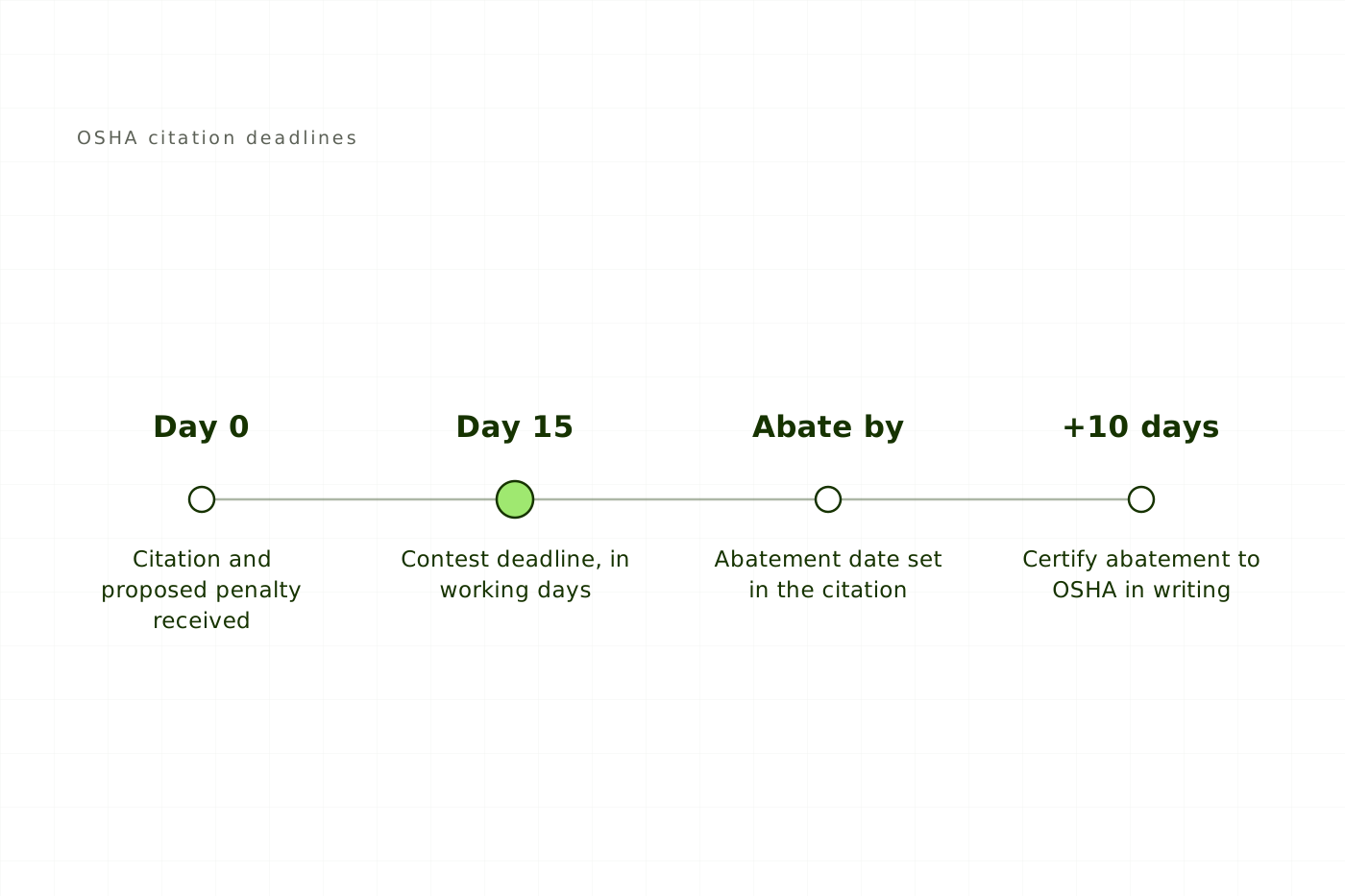
The 15-working-day contest window, what an informal conference does and does not buy you, the abatement paperwork OSHA requires, and the 2026 penalties.
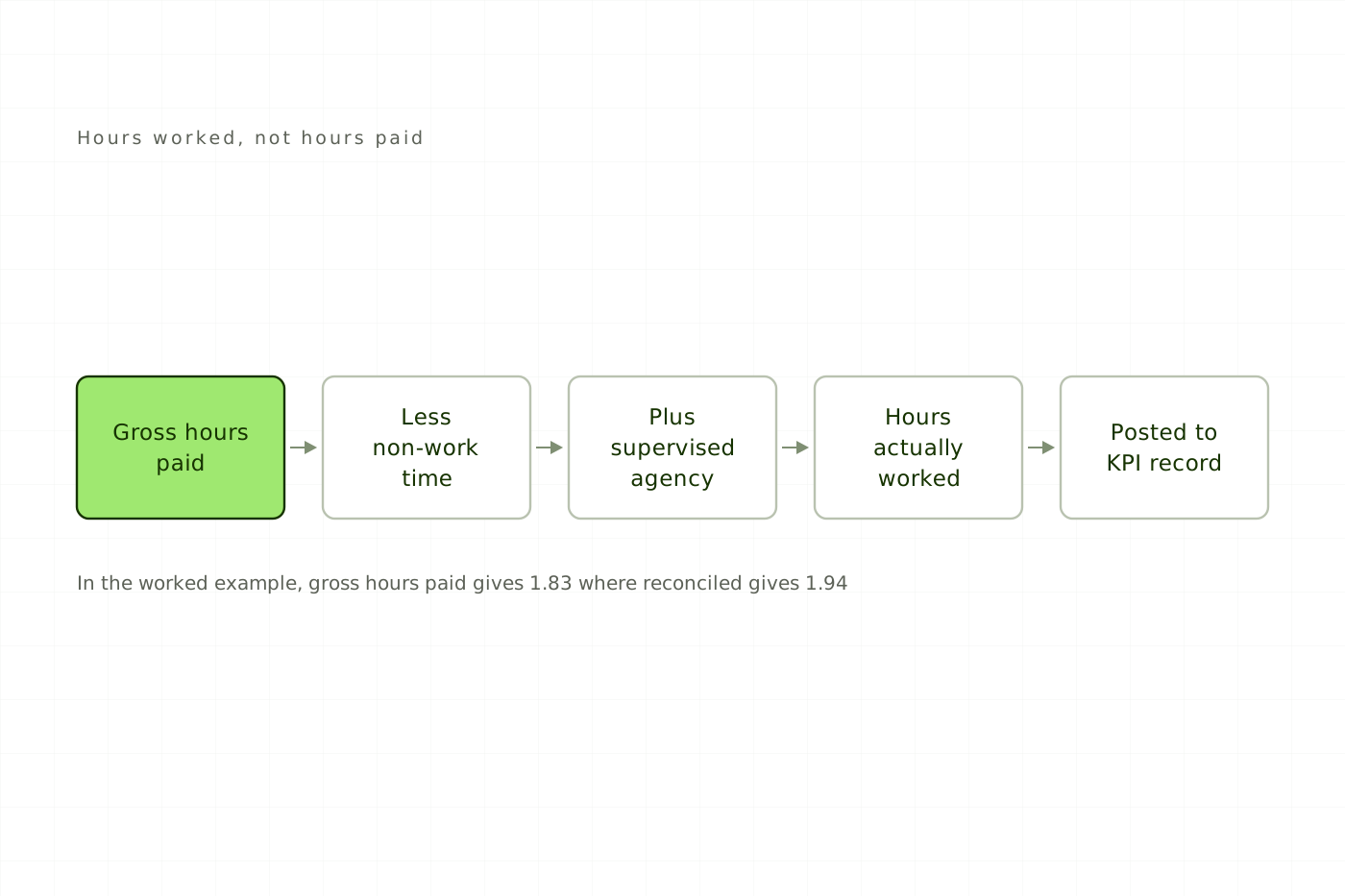
Get the TRIR formula, the DART and LTIFR constants and the hours rules right, then reconcile the denominator to payroll so your rate survives an audit.
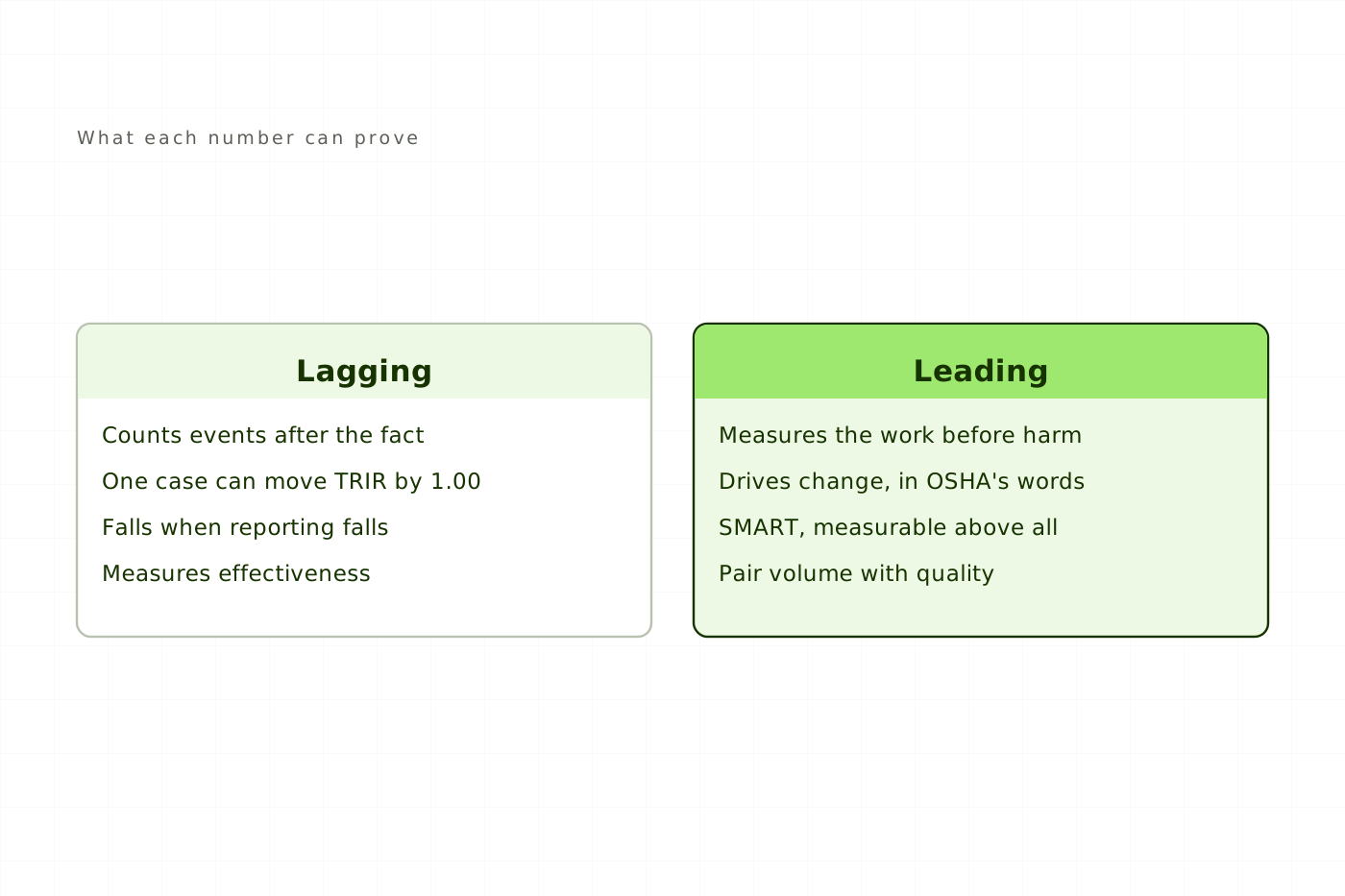
A low TRIR proves less than you think. Twelve leading safety indicators with the calculation, the data source, and the exact way each one gets gamed.
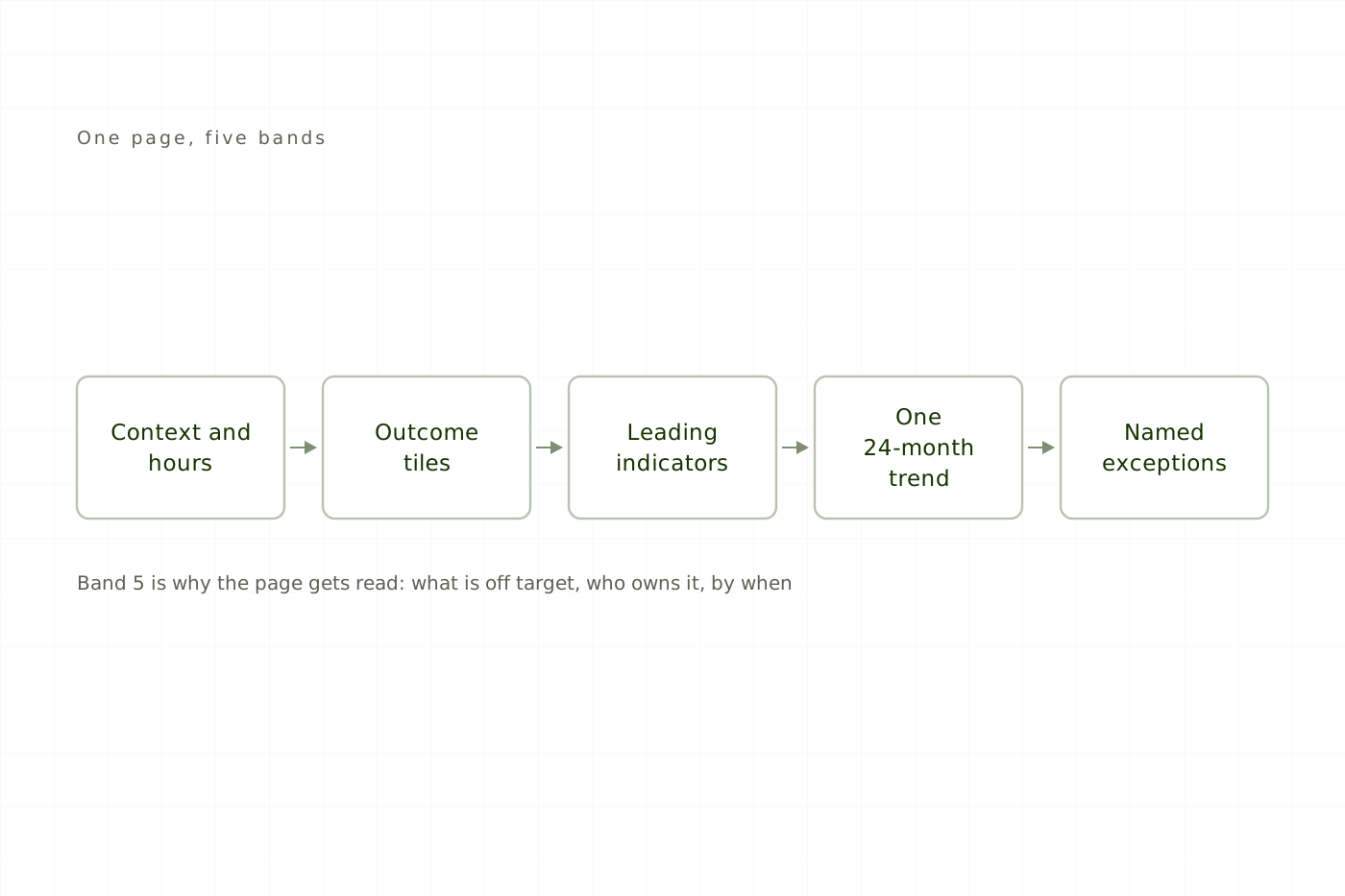
A one-page EHS scorecard layout that survives an executive meeting: what to show, how to hold trend against target and benchmark, and how to own a bad month.
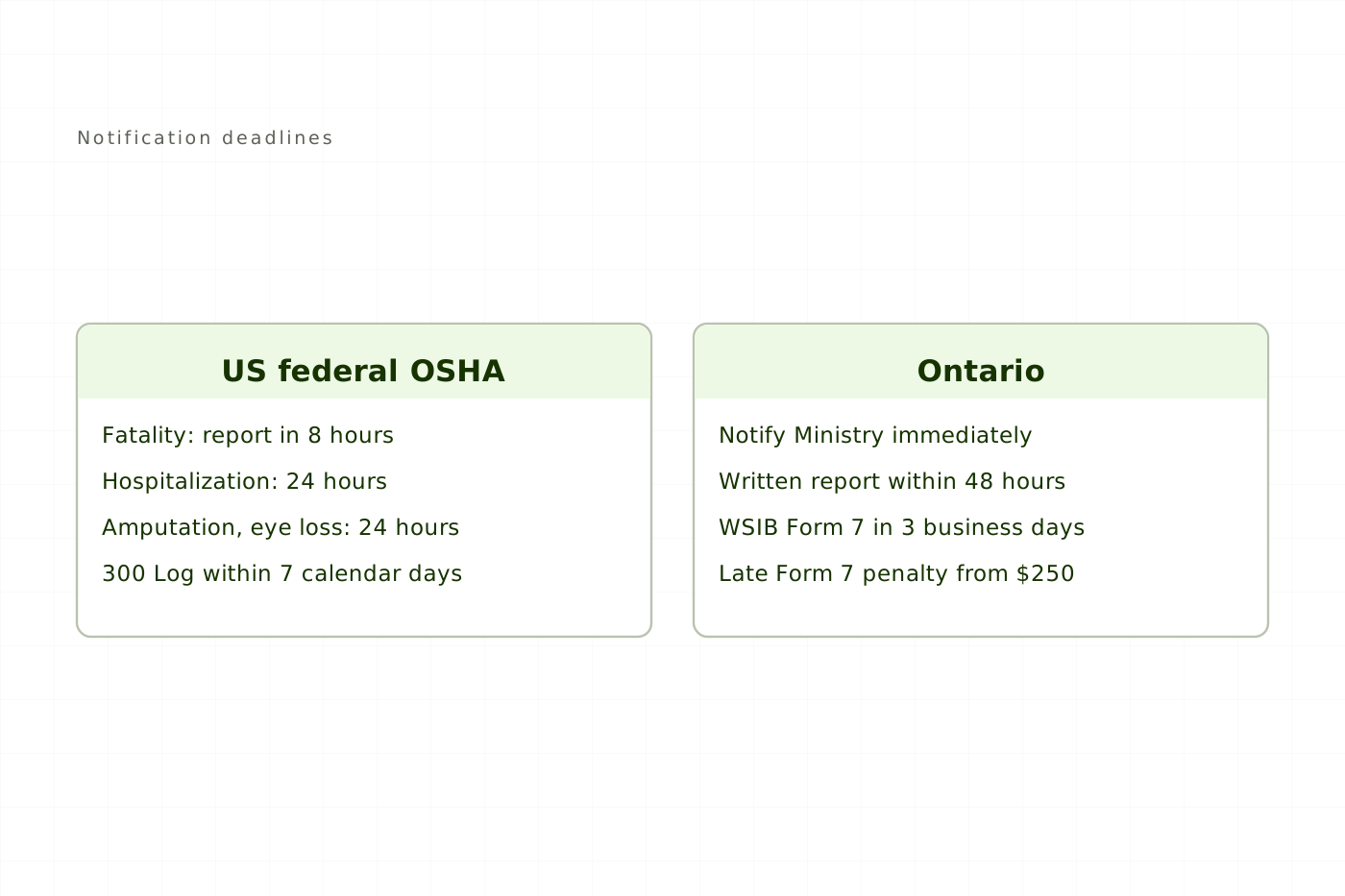
The seven stages of an incident management workflow, who owns each one, what the regulator dictates, and the five design faults that leave records stalled.

What each root cause analysis method produces, which incidents it suits, and four tests that separate a real root cause from a restatement of the event.
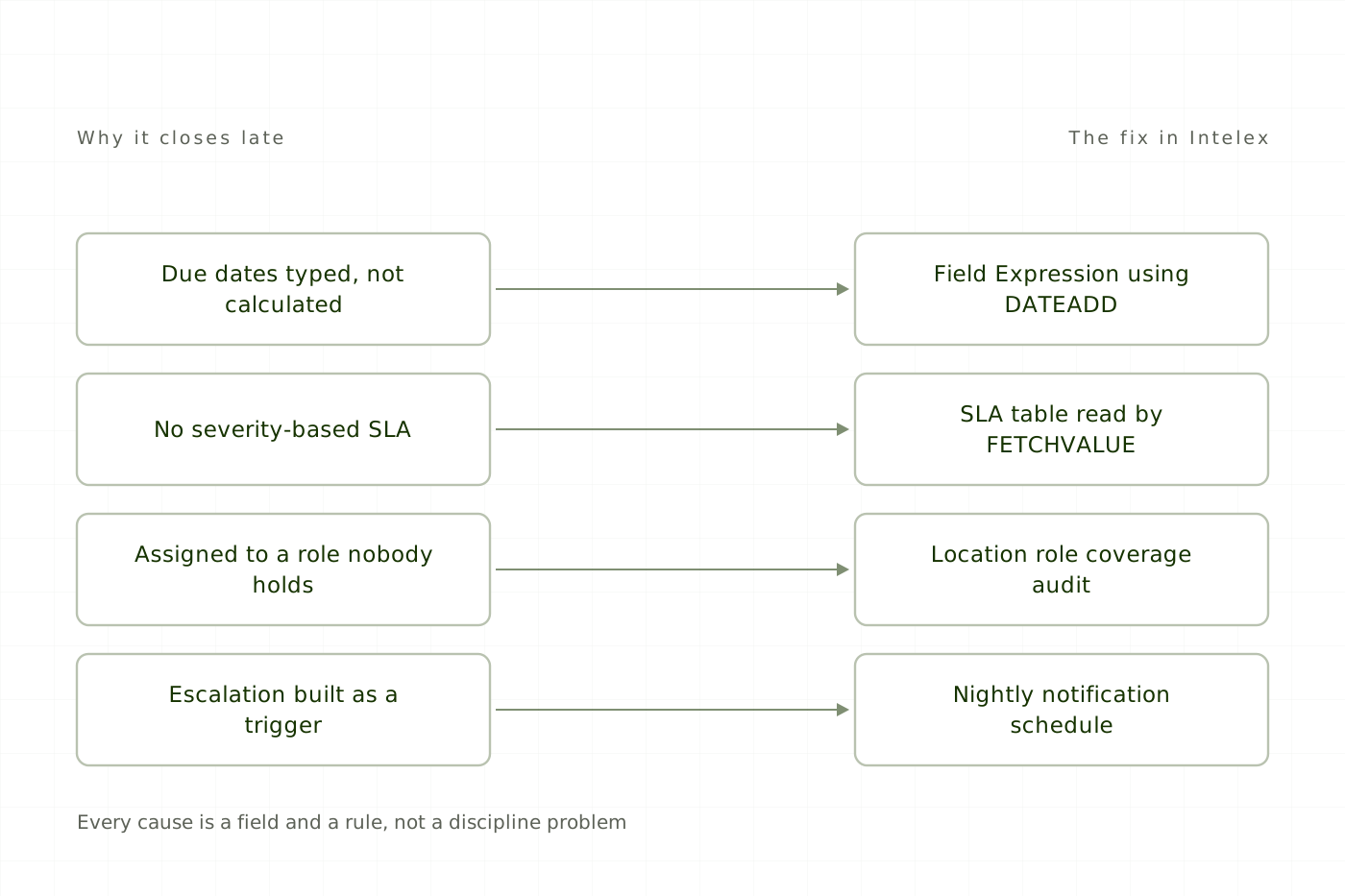
Why corrective actions close late, and how to build a calculated corrective action due date and an escalation rule that actually fires in Intelex.
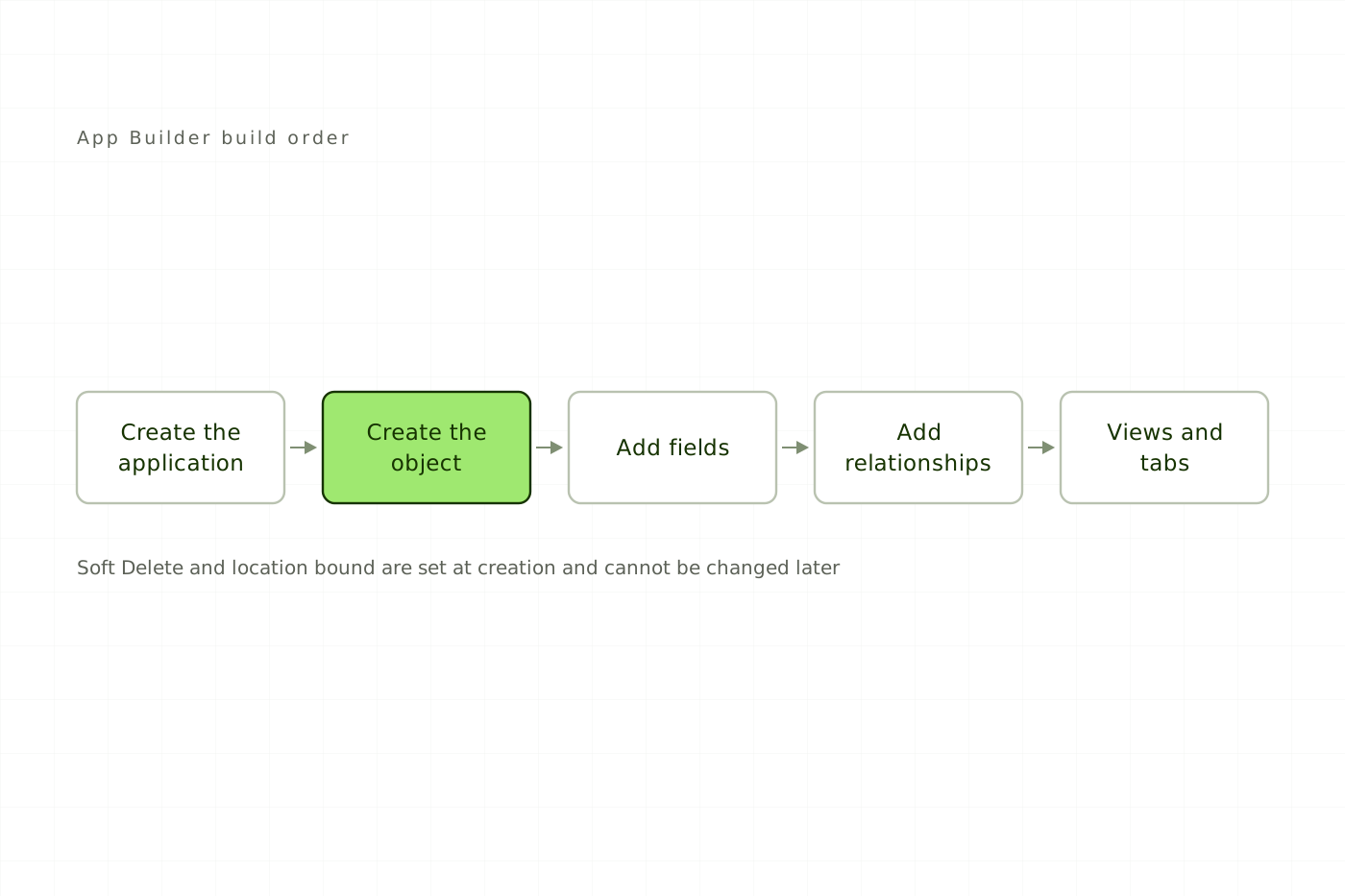
How Intelex App Builder objects, fields, relationships and views really behave, which settings you can never change later, and a worked EHS data model.
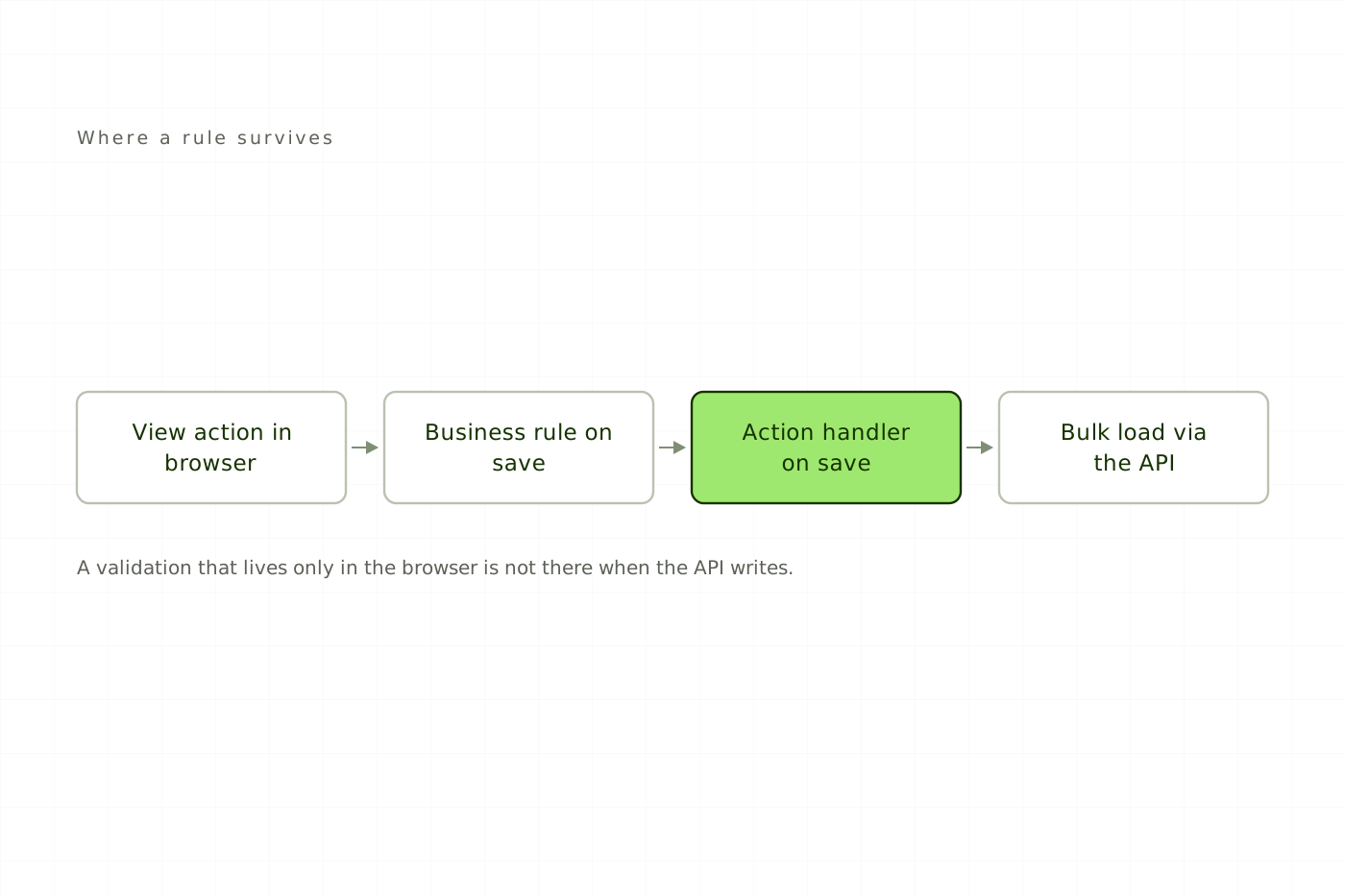
When Intelex business rules, workflows, action handlers and view actions each fire, what each can and cannot do, and how to pick the right one.
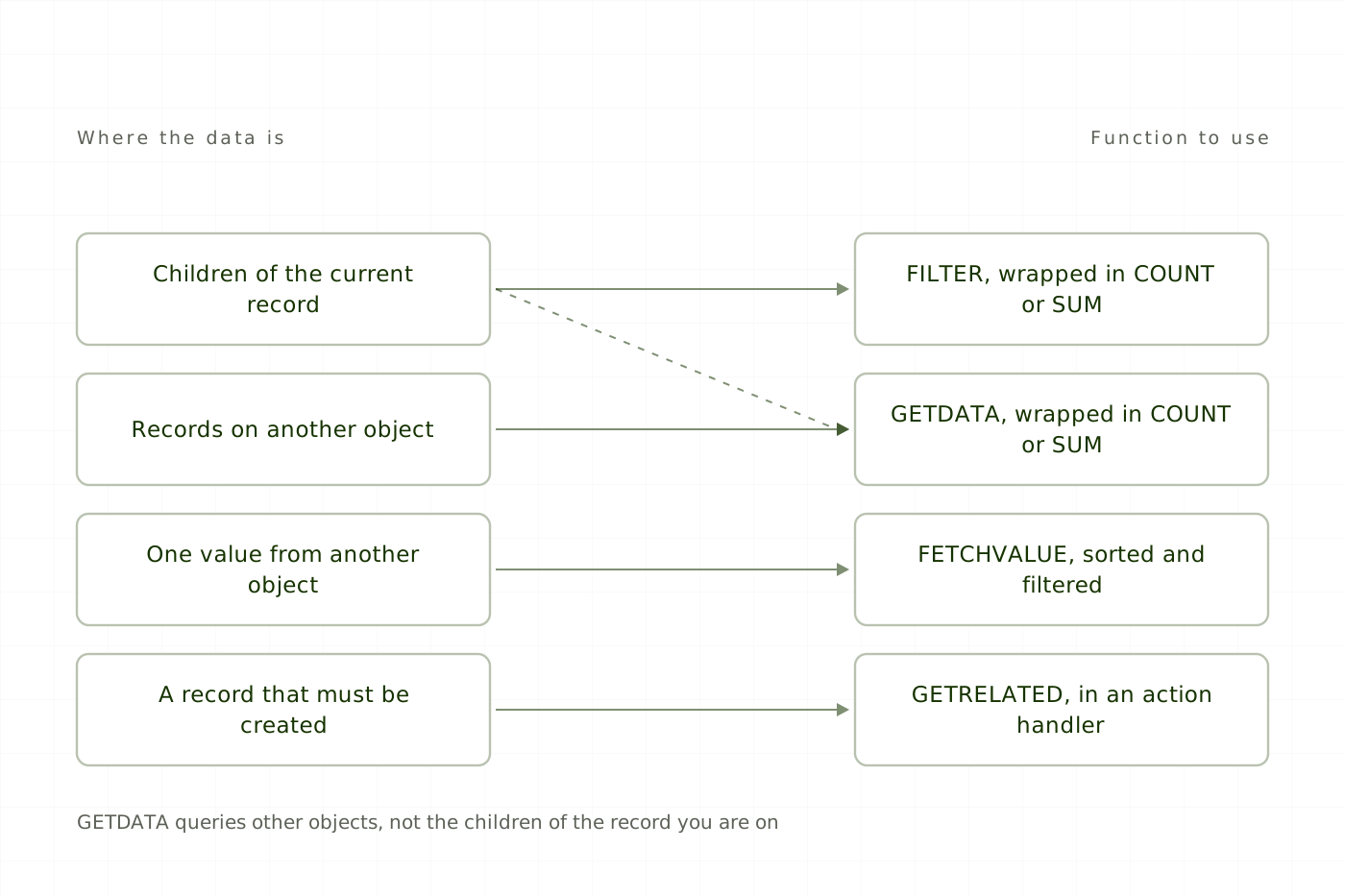
Exact signatures for GETDATA, FETCHVALUE, GETRELATED, FILTER, ISCHANGED and HASPERMISSION in the Intelex Formula Editor, plus the mistakes that cost hours.
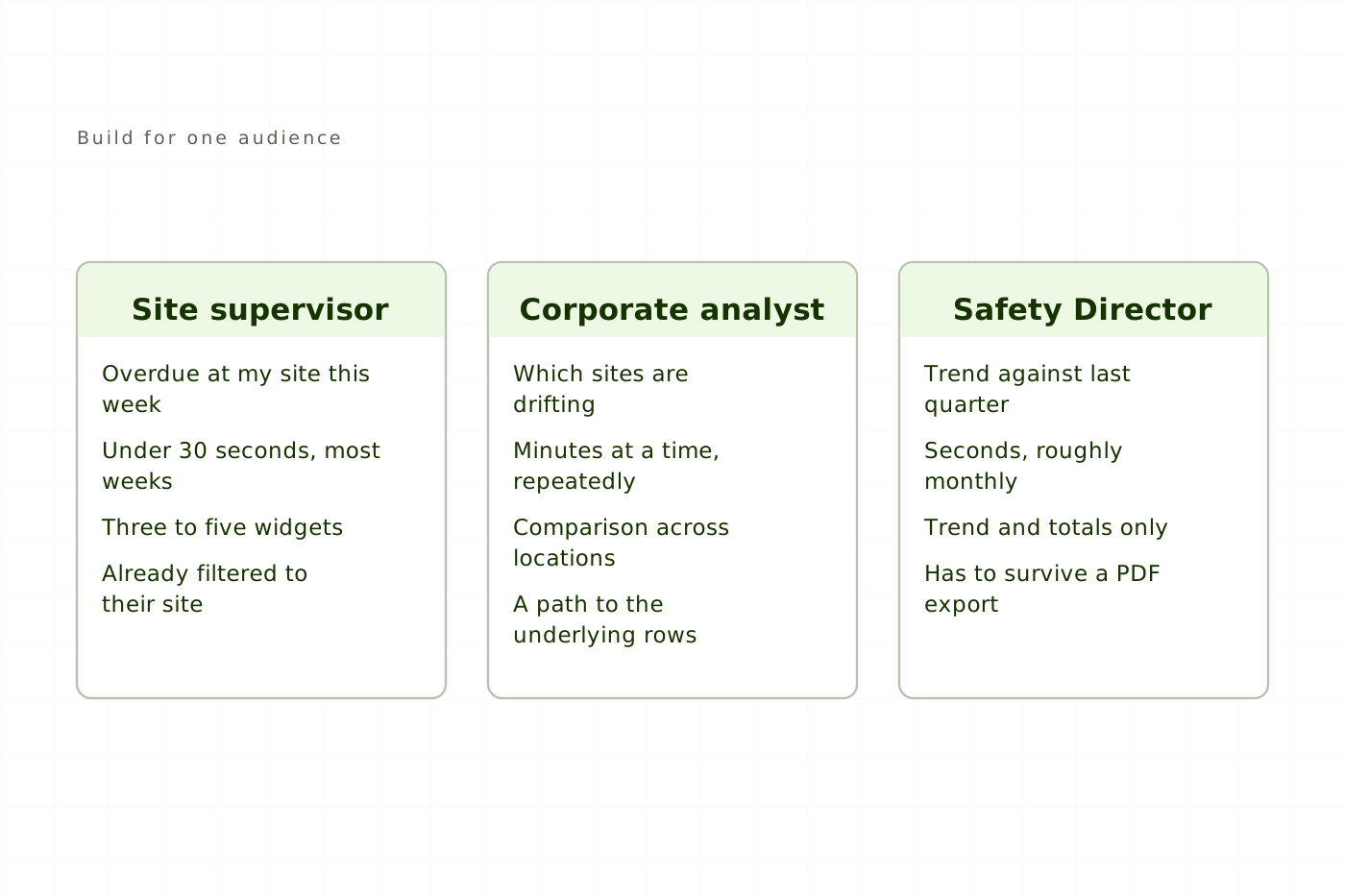
Scope an Intelex dashboard to one audience, keep widget and slicer counts honest, and make sure every viewer sees the data their location allows.
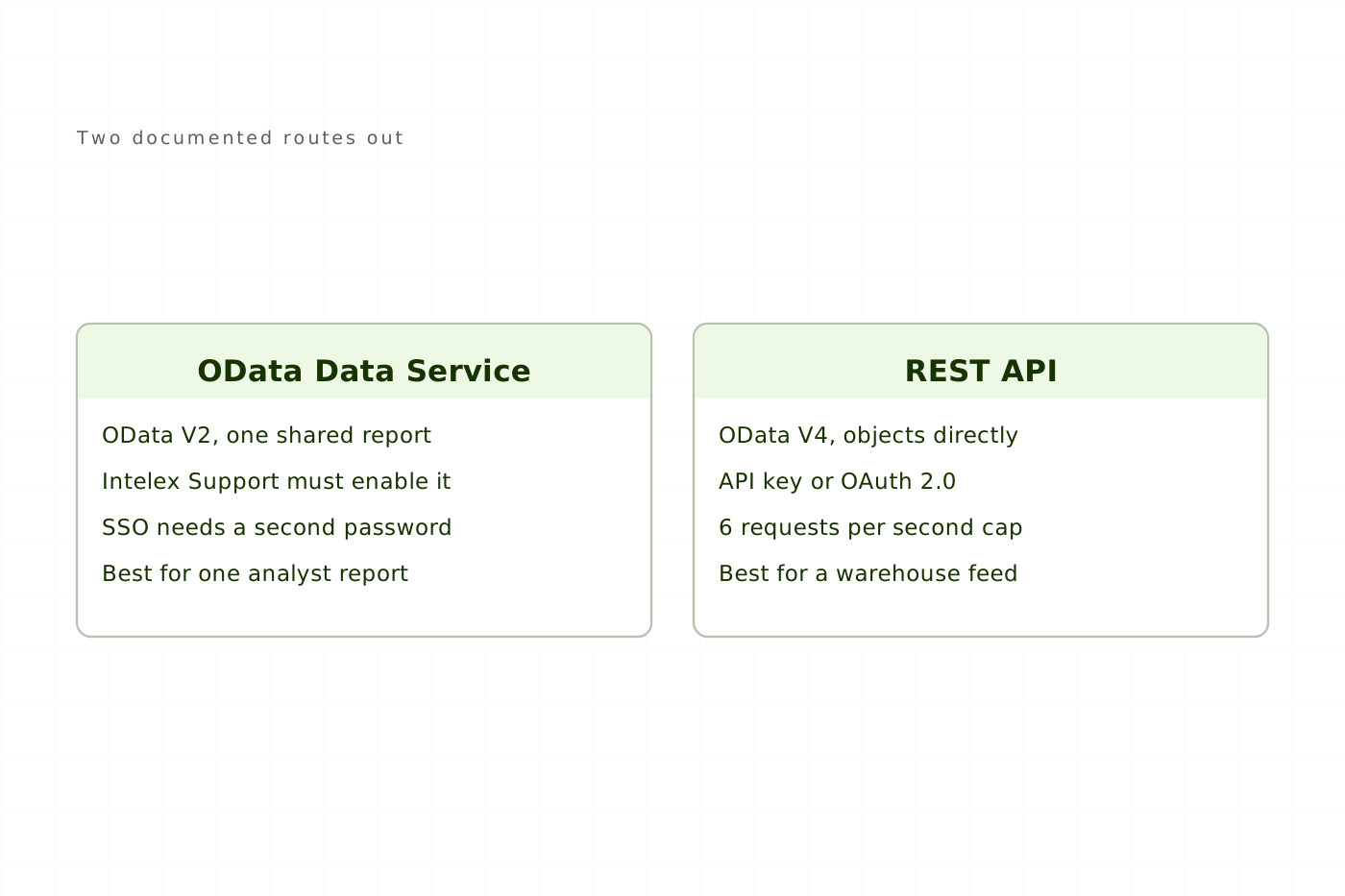
The two documented routes out of Intelex, how each one authenticates, how to structure and page an OData query, and the limits you will hit in Power BI.
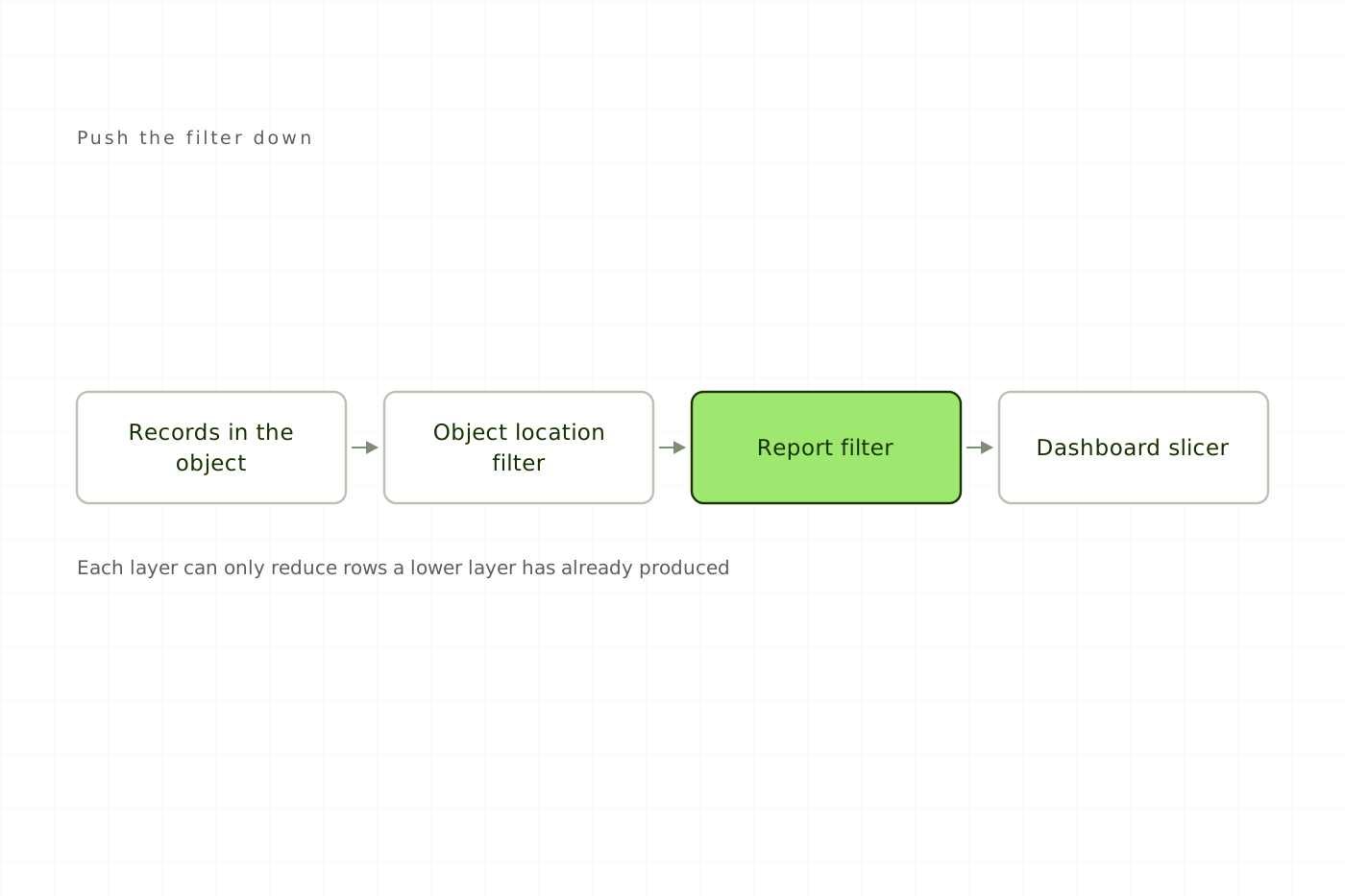
What makes an Intelex report expensive, where to filter, how to tell a security problem from a data problem, and the checklist to work through in order.
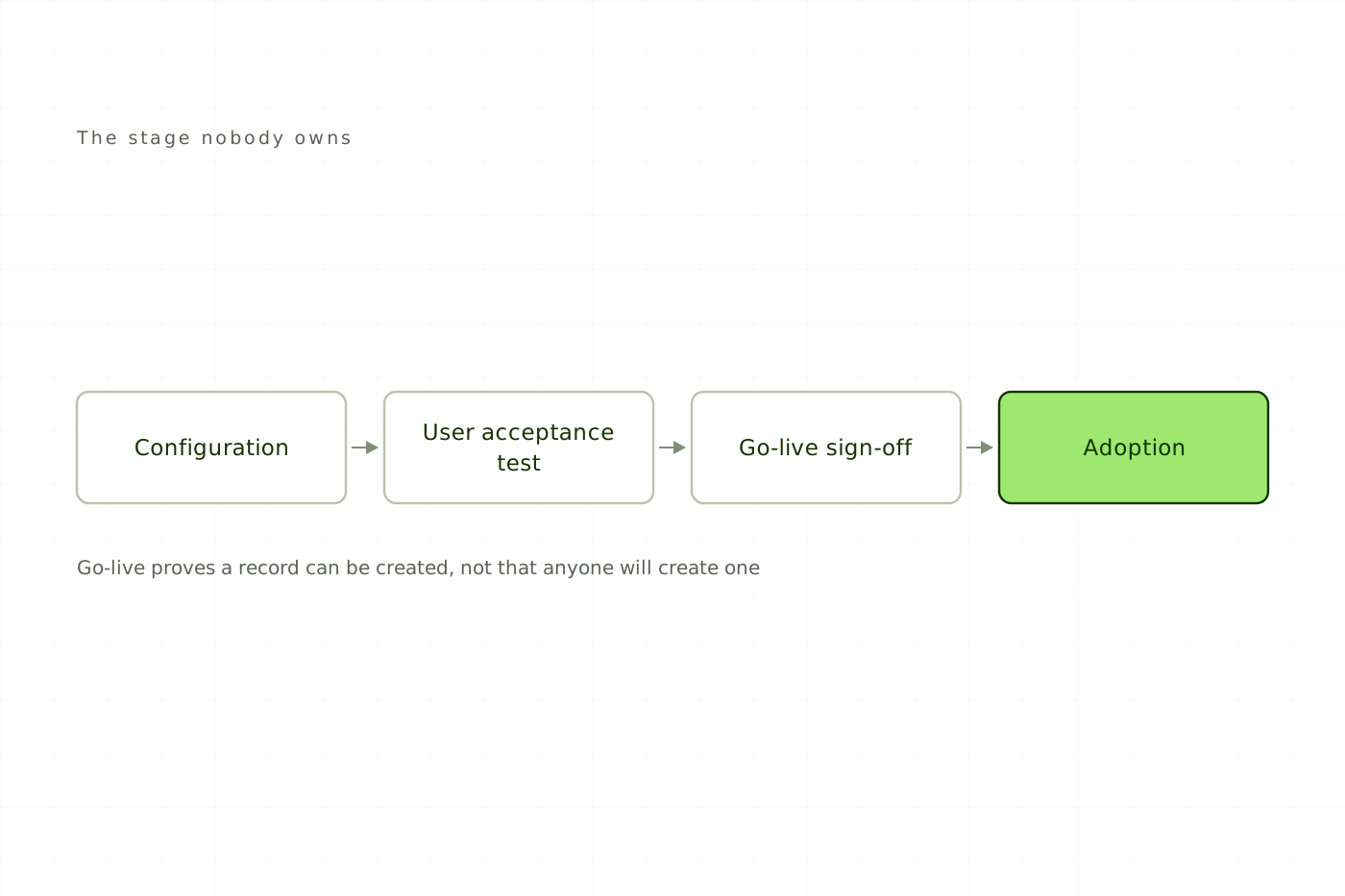
Your EHSQ system is live and nobody uses it properly. The configuration and workflow decisions that suppress adoption, and a diagnostic table to find yours.
Train Intelex users by role, not module. What each role must do unaided, how long it takes, the format that works, and how to prove competence.

Why frontline safety reporting stalls, what a 60-second mobile report looks like, and how to close the loop so reporters see what their report changed.
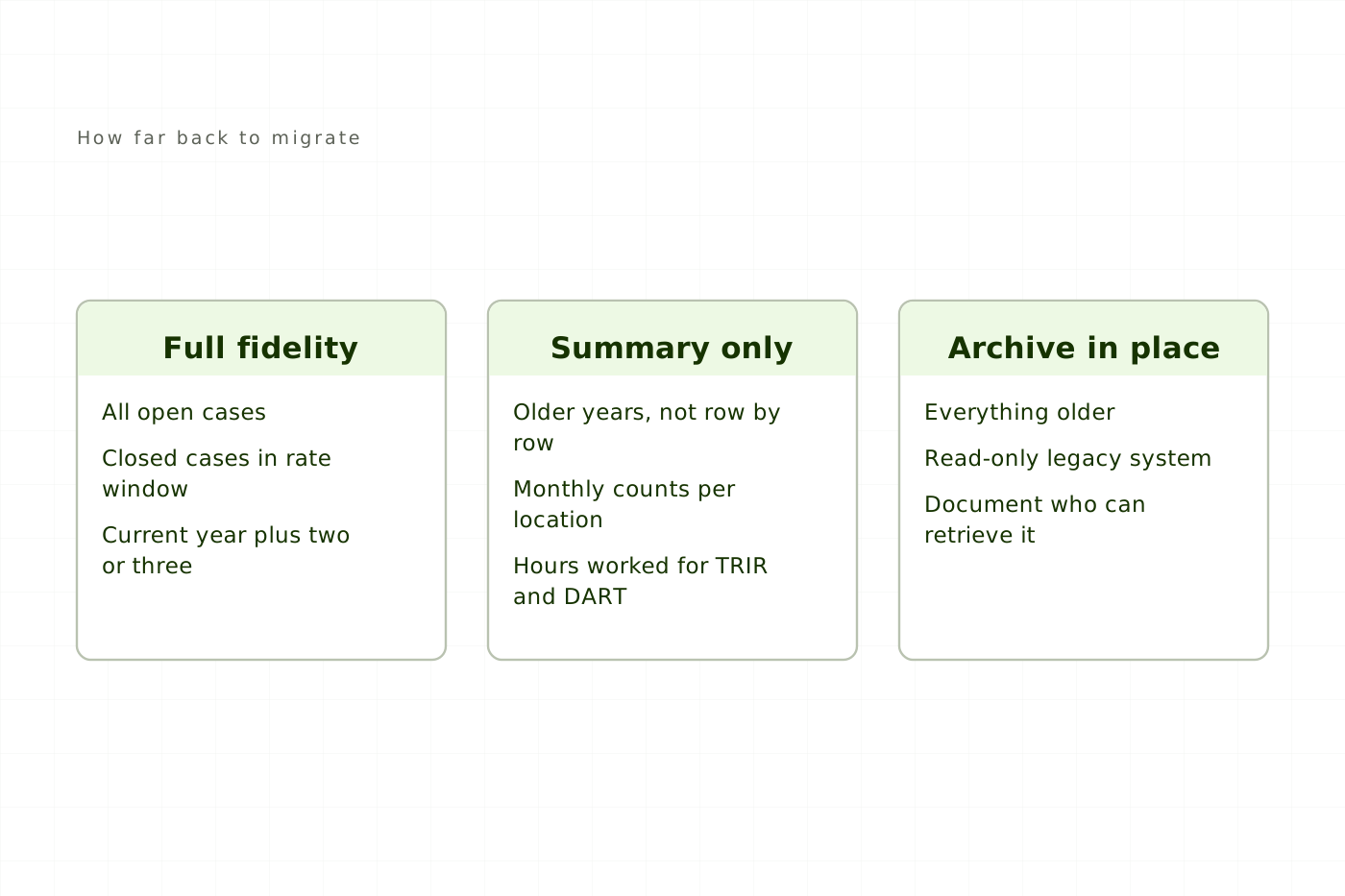
How to scope, map, load and validate an incident data migration in Intelex, with a step-by-step checklist and a done-when test for every step.
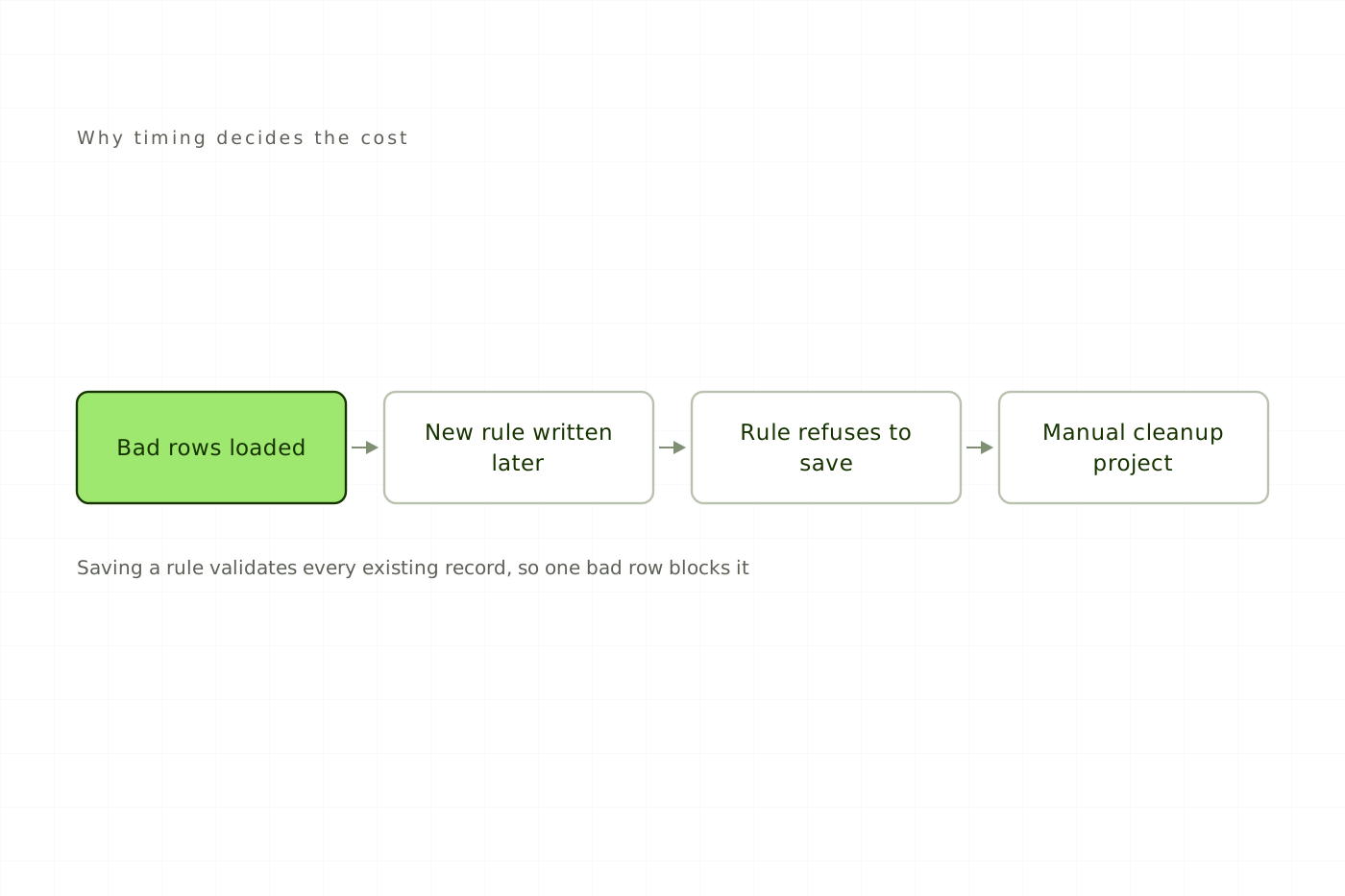
The six data quality rules that cost hours before an Intelex migration and weeks after it, with how to enforce each one in the platform before you load.
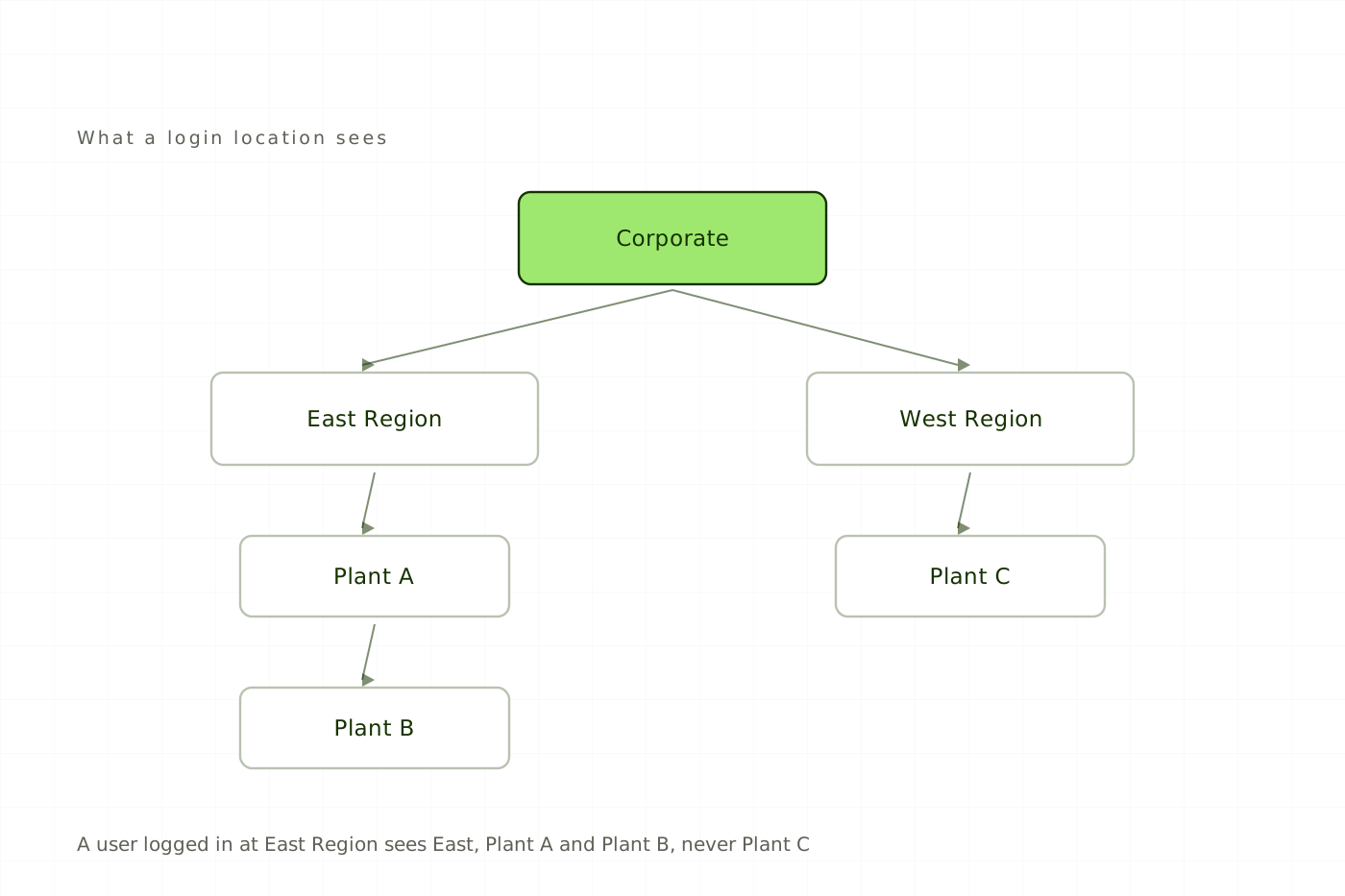
How the Intelex location hierarchy drives record visibility, reporting rollup and security, and why it is the hardest thing to change after go-live.
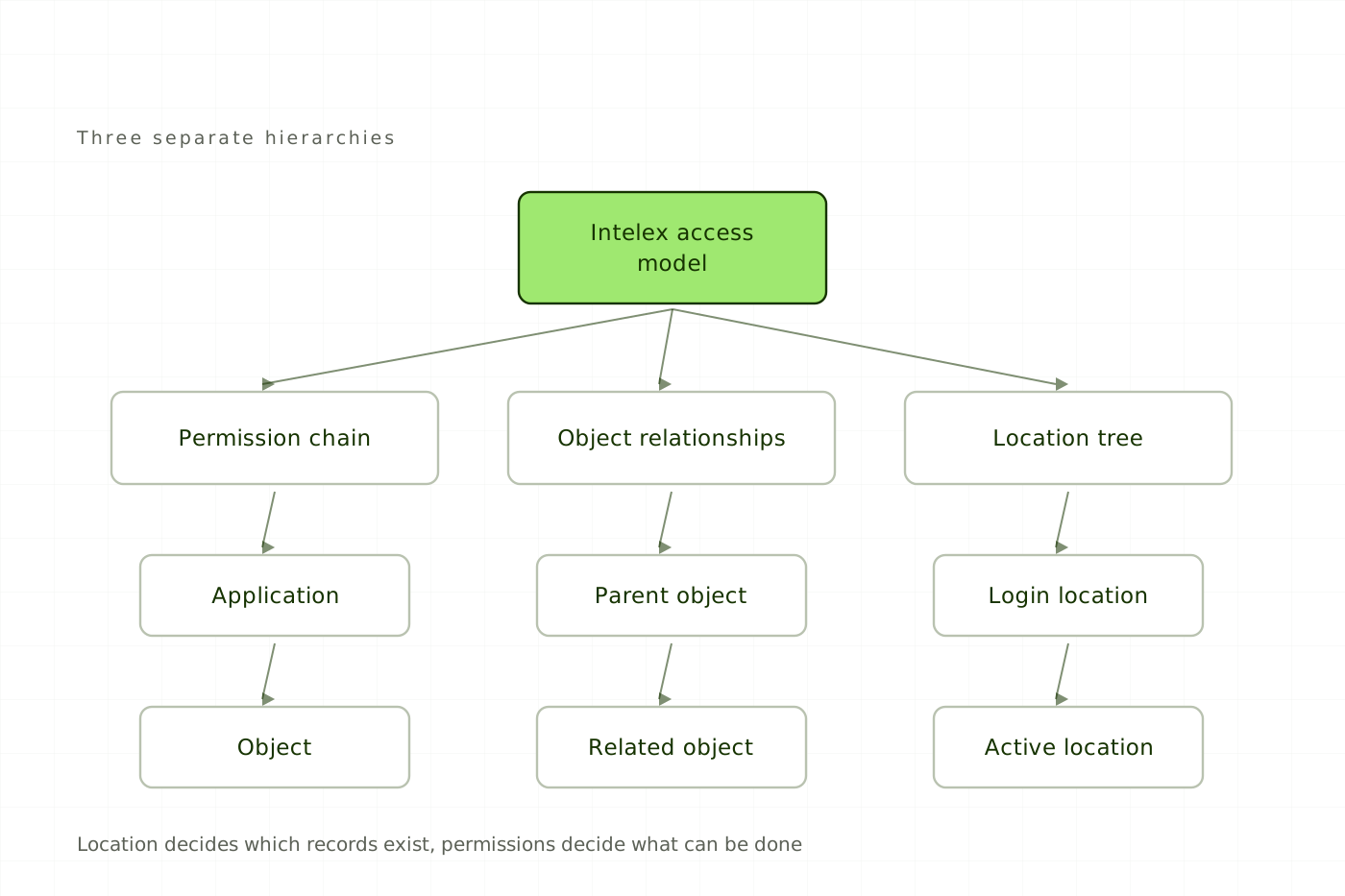
Rights and permissions are different mechanisms in Intelex. Learn which one you are looking at, why each breaks on child objects and locations, and the fix.
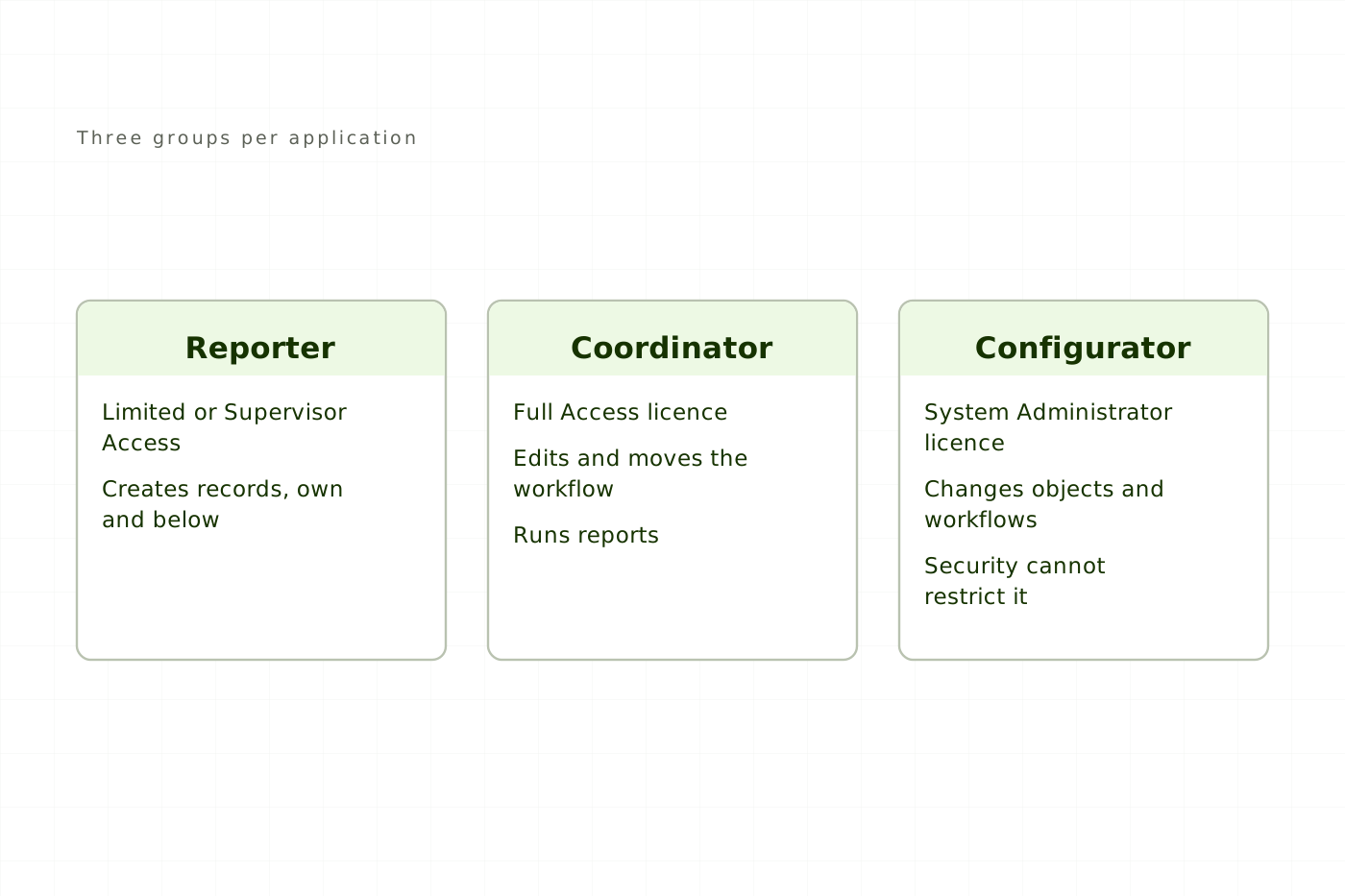
How many roles you actually need, how location assignment interacts with them, and how to handle cross-site staff, contractors and leavers in Intelex.
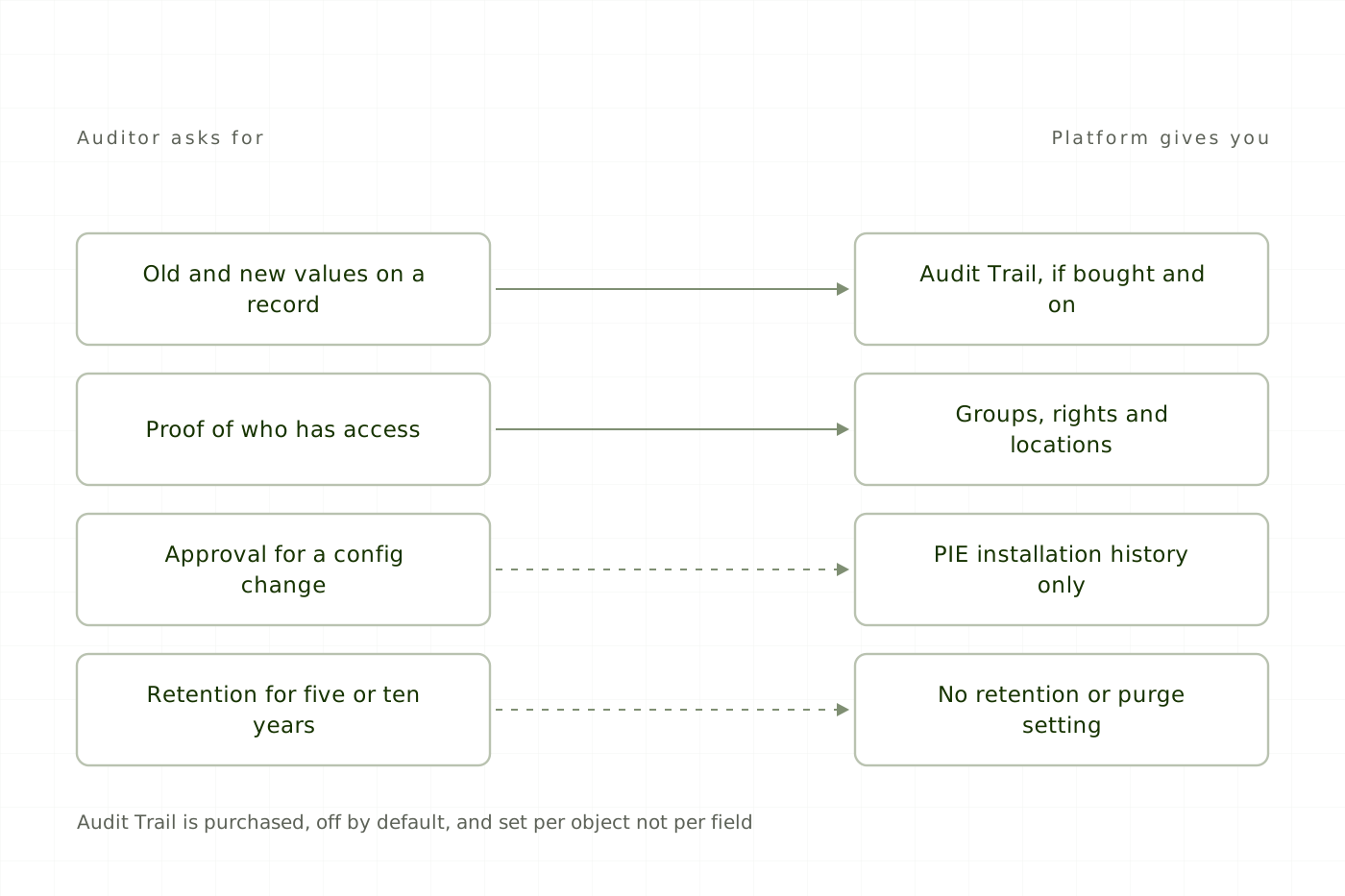
What the Intelex audit trail records, what it silently does not, and how to build the change control and segregation of duties an auditor will ask you for.
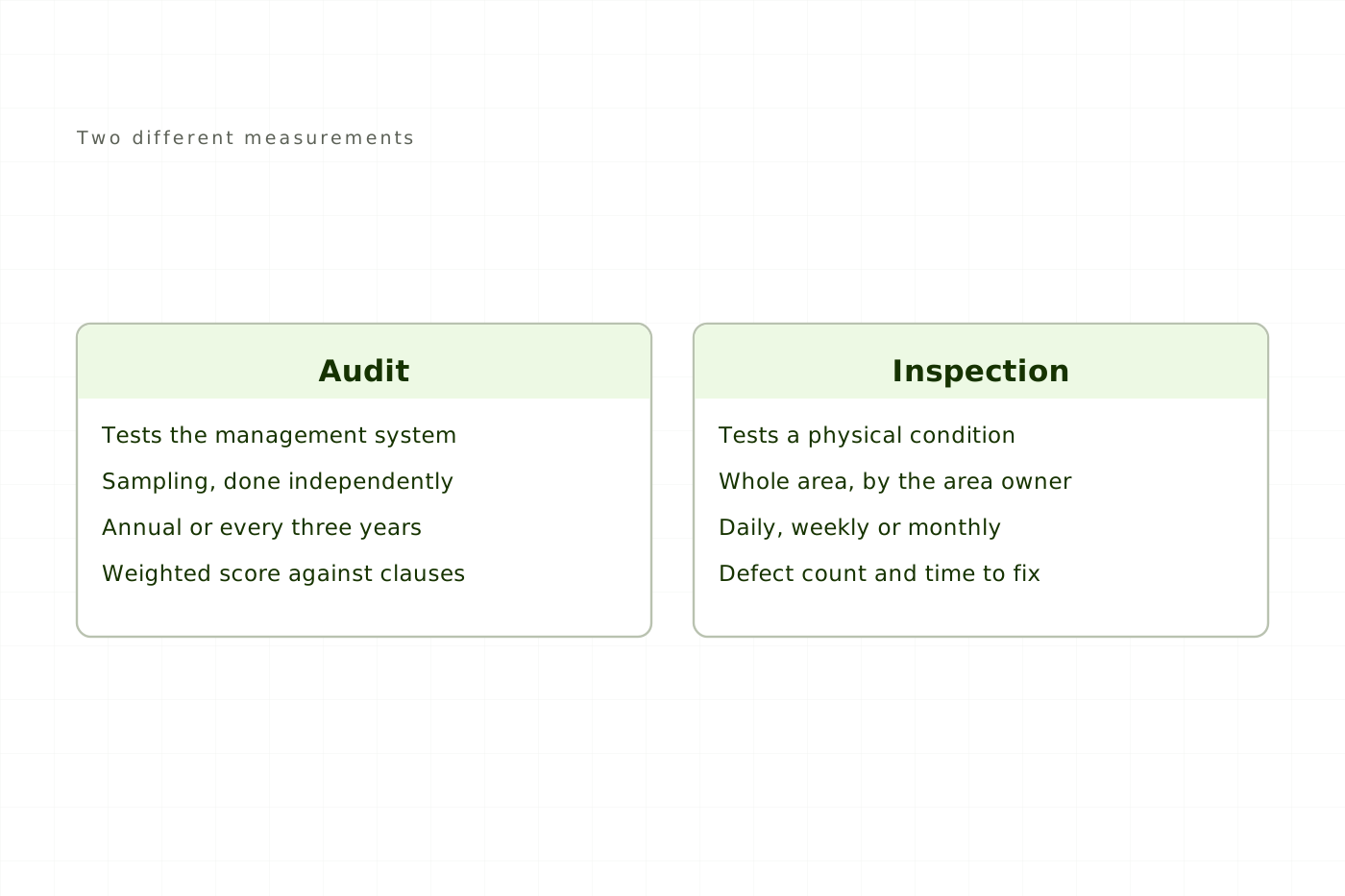
Why audits and inspections need different checklists, scoring and schedules in Intelex, and how to report program health instead of individual results.
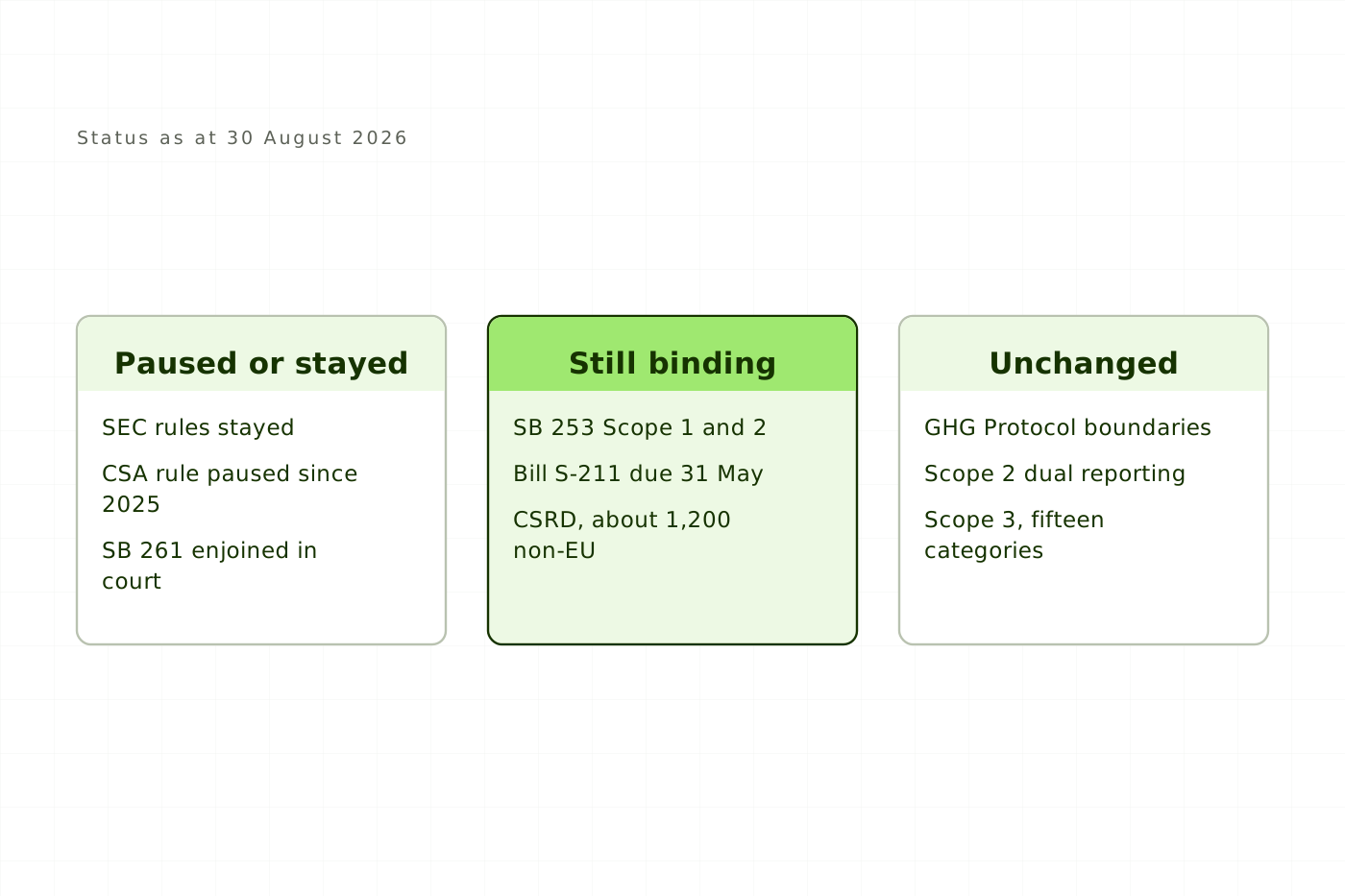
The SEC proposed rescission, the CSA paused, SB 261 is enjoined and CSRD shed most non-EU companies. Here is the ledger of what collapsed and what survived.
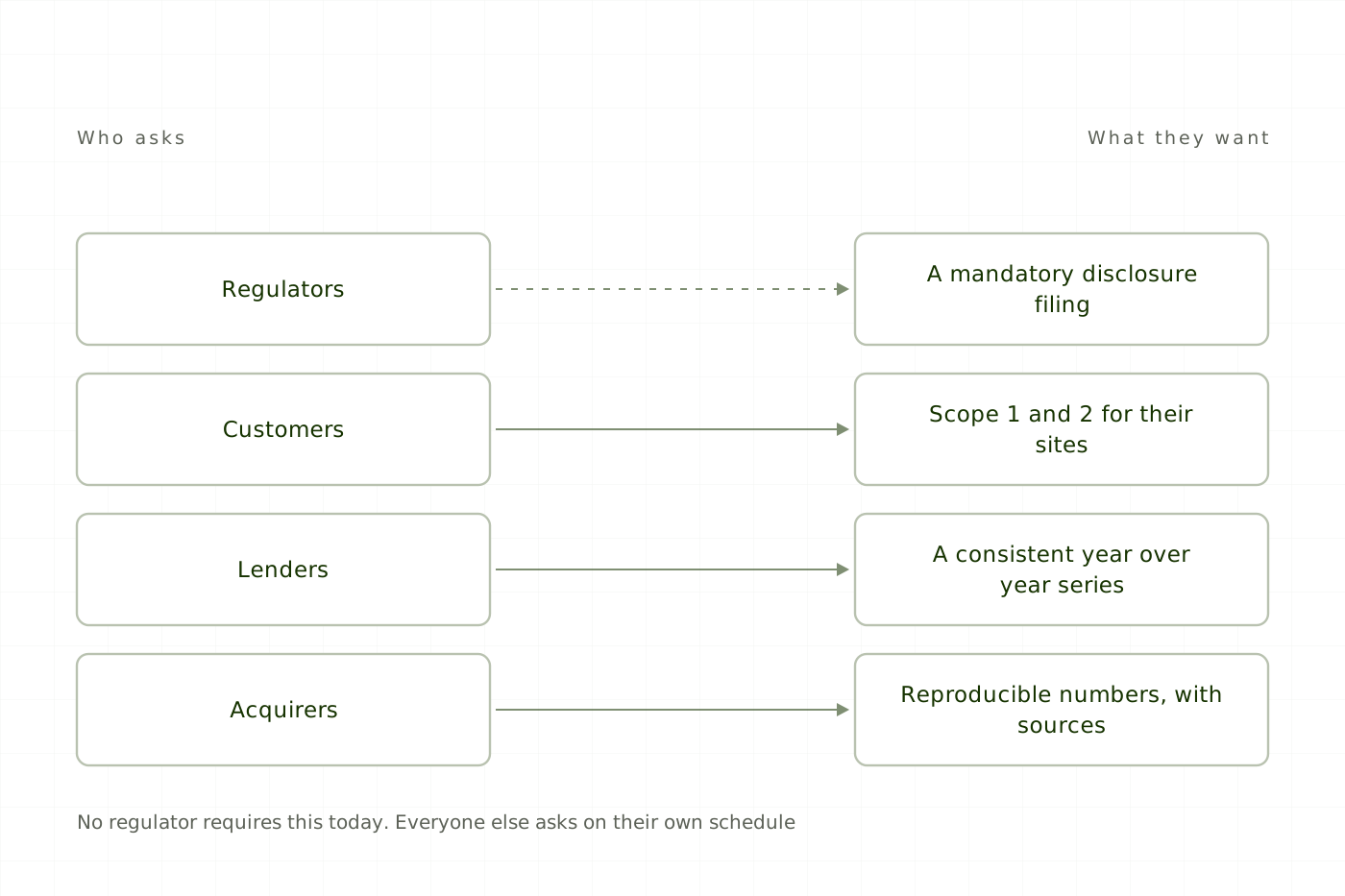
No regulator forces most Canadian and US companies to report emissions. Customers, lenders, insurers and acquirers ask anyway. The honest case for building it.
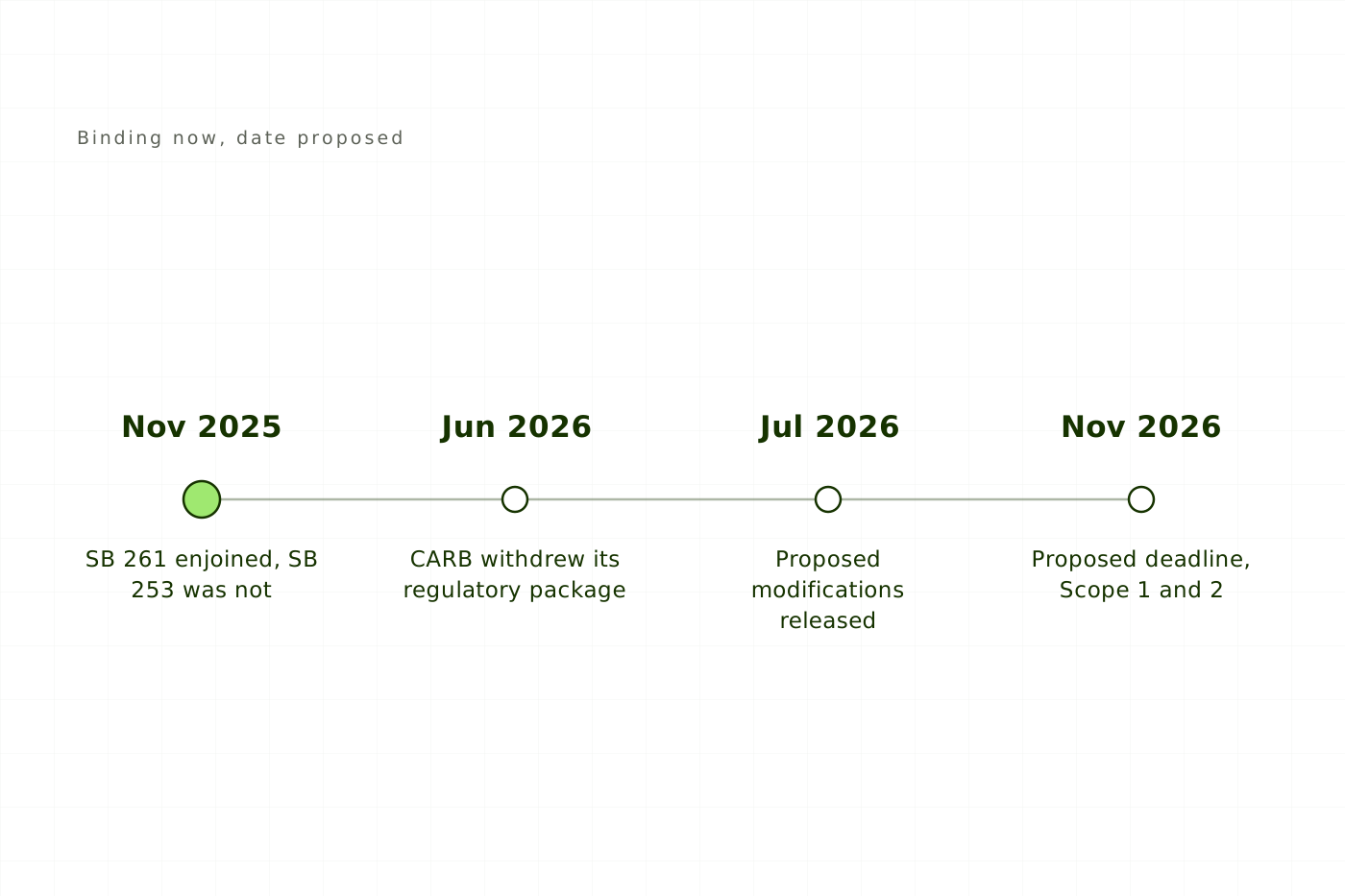
SB 253 was not enjoined and in-scope entities stay obligated for Scope 1 and 2. CARB's September 2026 guidance sets 10 November 2026, pending OAL sign-off.
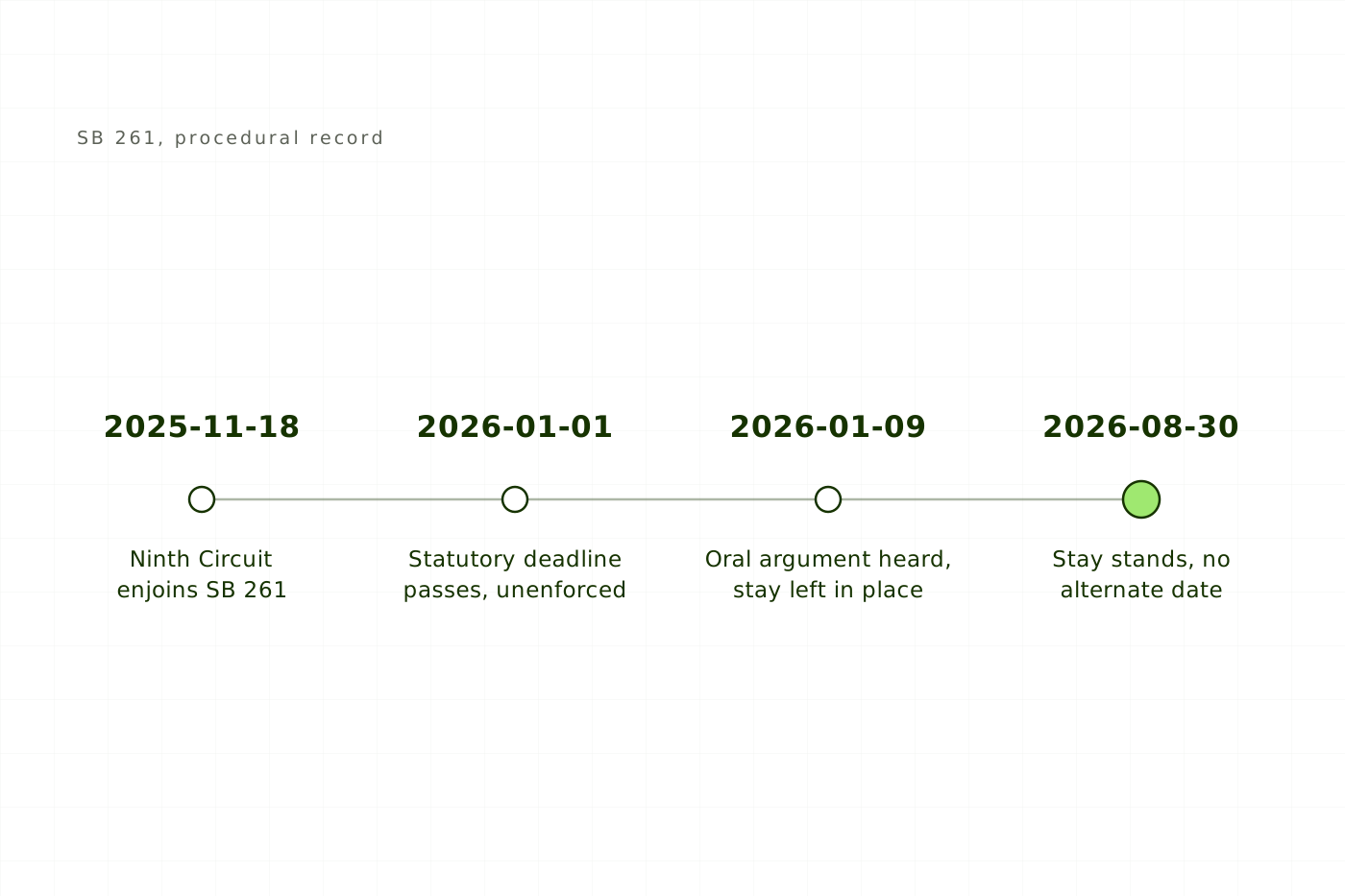
The Ninth Circuit enjoined SB 261 in 2025 and CARB is not enforcing it. No live deadline. How to hold a suspended obligation without wasting the year.
Canada's forced labour report is due 31 May every year. Size thresholds are measured worldwide, which catches more Canadian operations than expected.
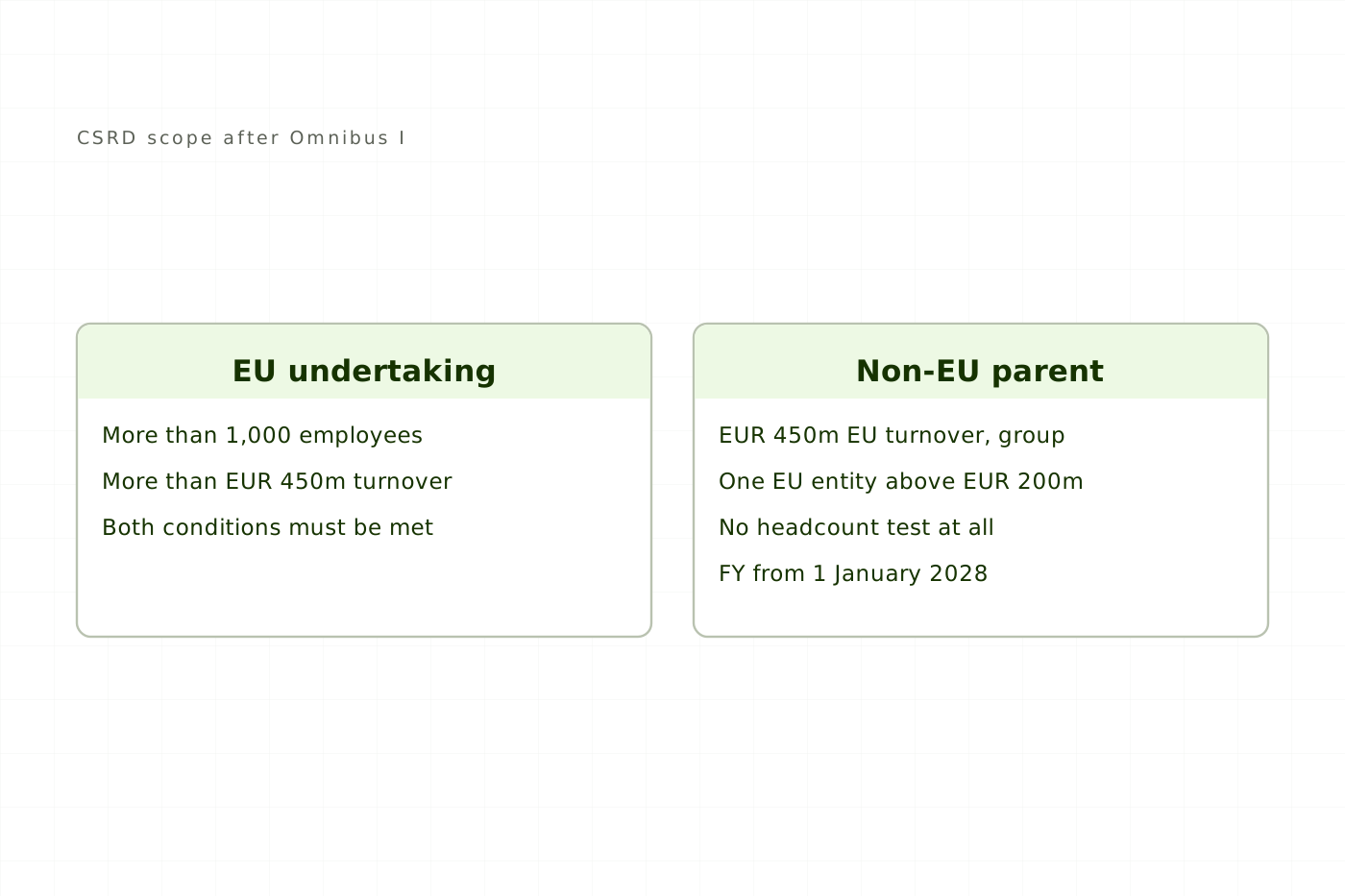
Omnibus I moved every CSRD threshold on 18 March 2026. Work the Article 40a test on your own numbers and find out whether your group is still caught.
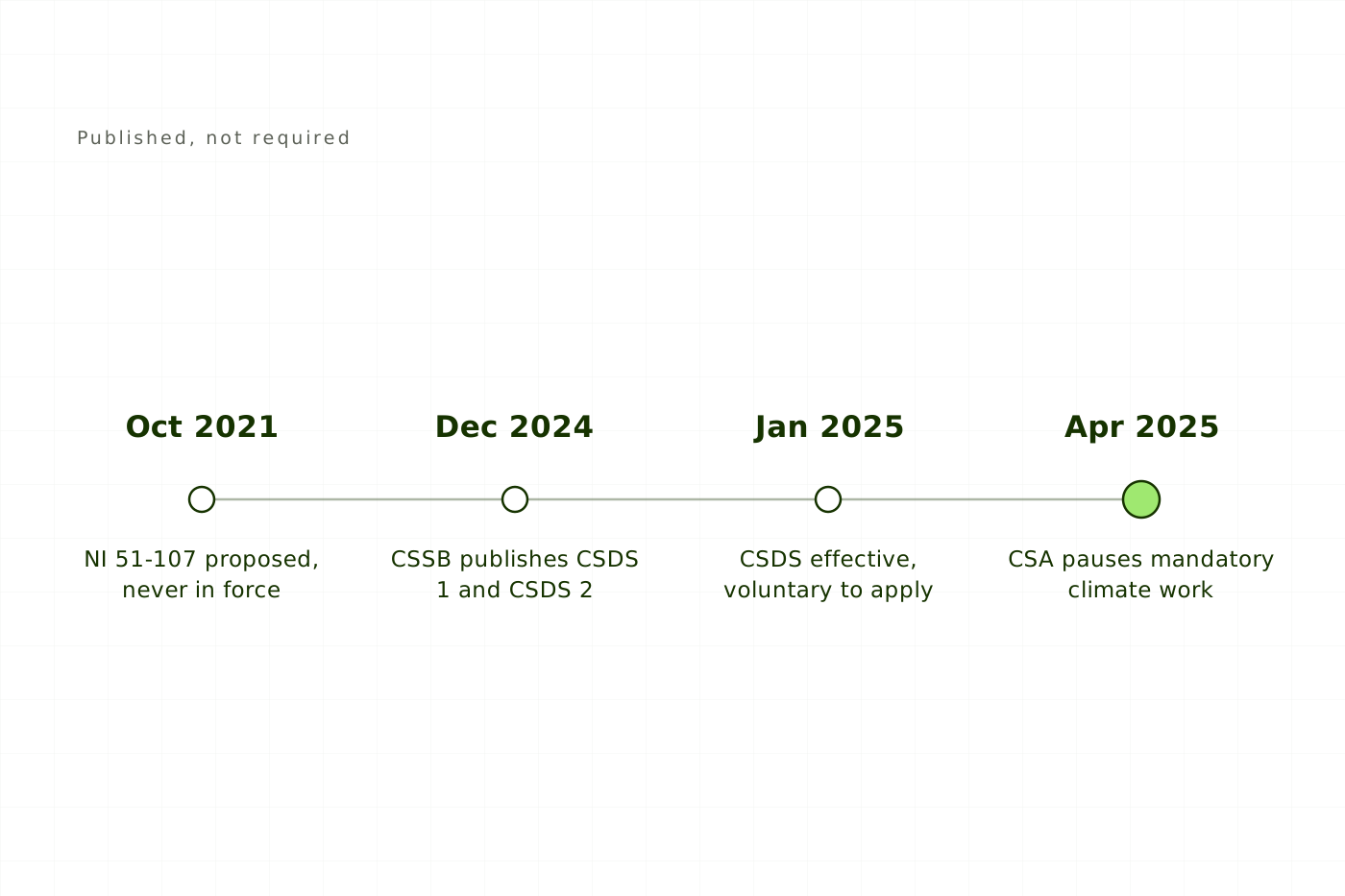
Nobody in Canada has to apply CSDS 1 or CSDS 2, and the CSA is paused. Here is why the data work still has a deadline and what Intelex will not hand you.
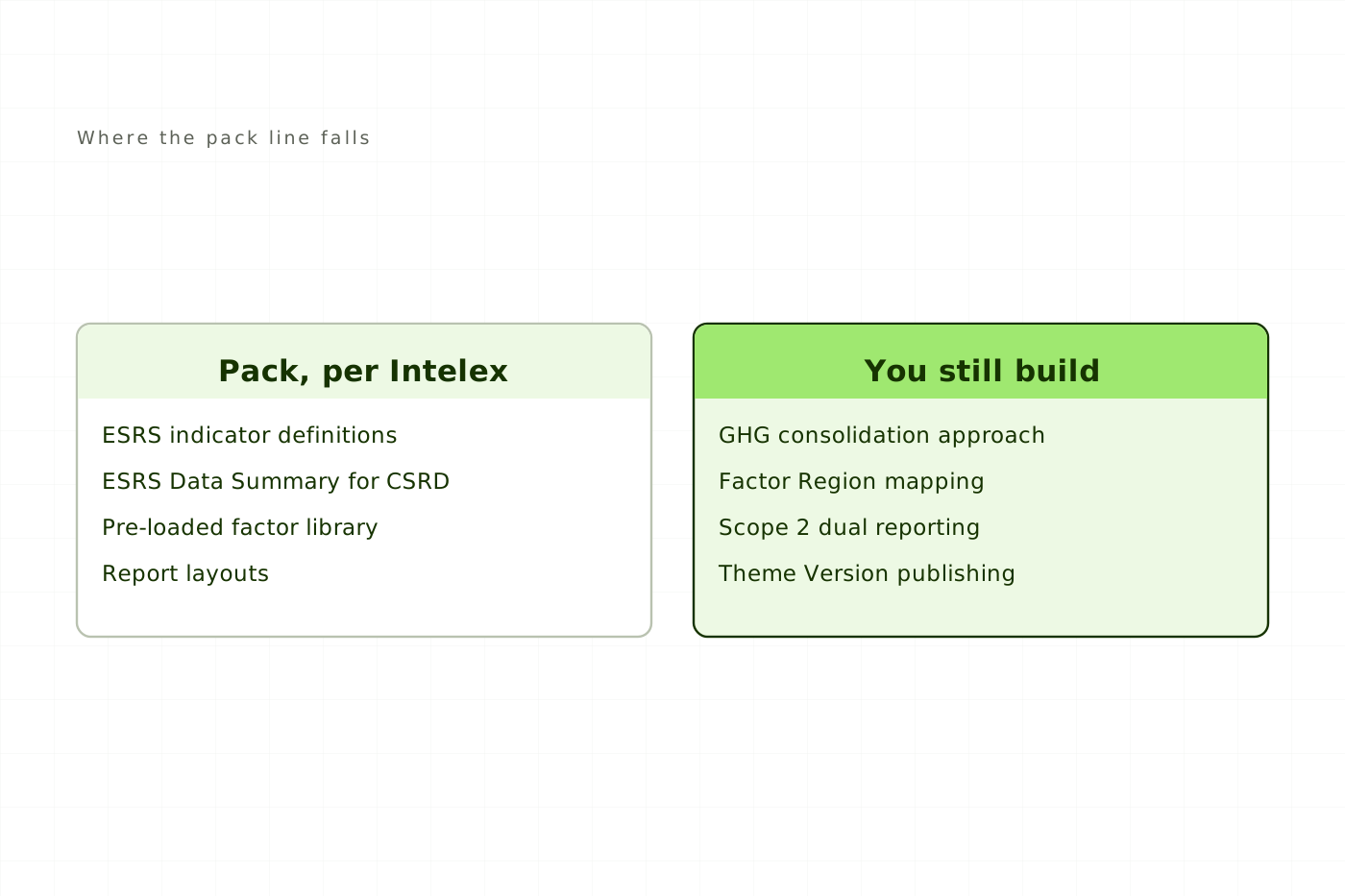
Intelex publishes an ESRS content pack for CSRD reporters. Here is what Intelex says it covers, and the platform work that no content pack can do for you.
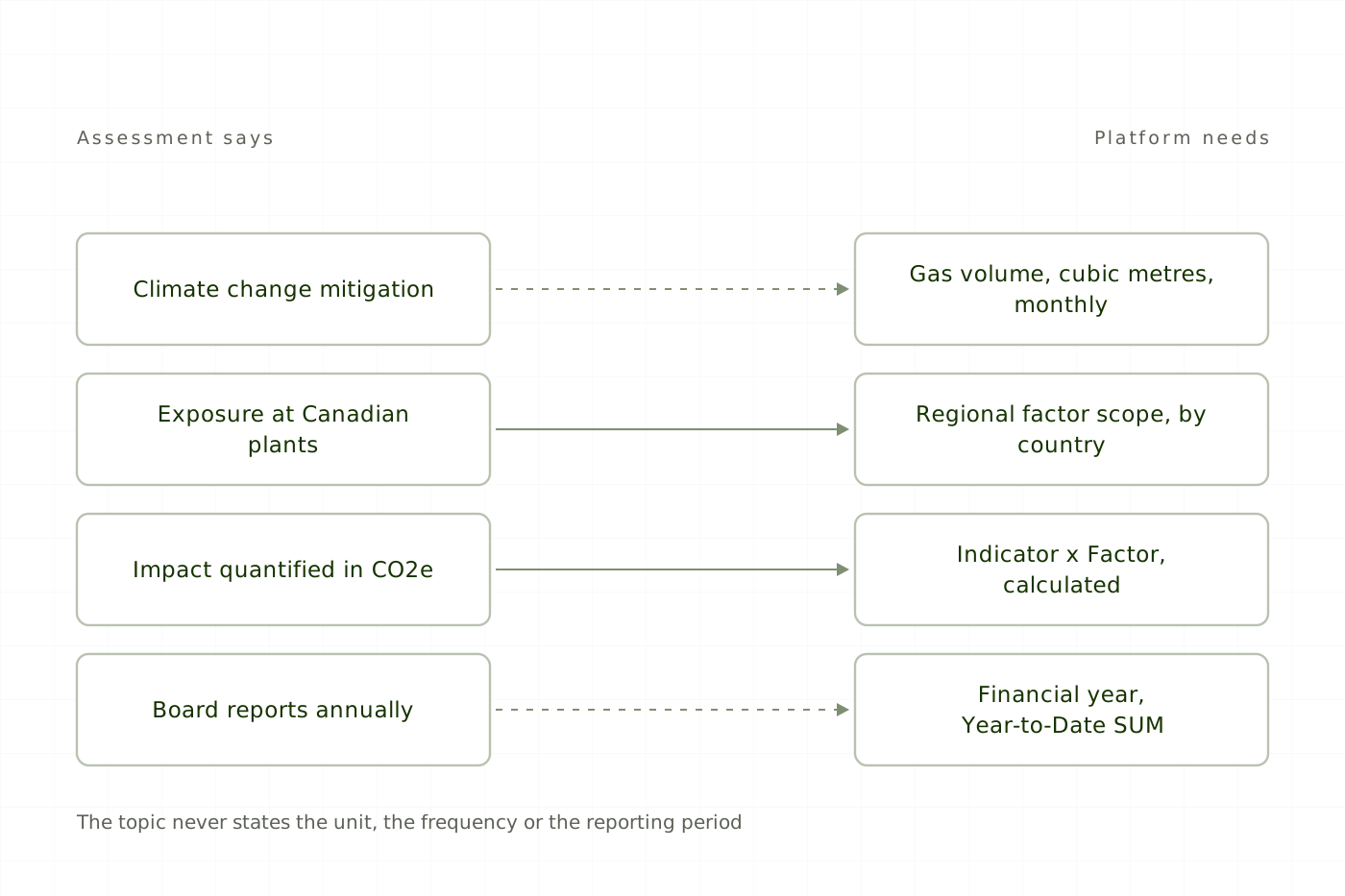
A materiality assessment names topics. A platform needs units, owners, frequencies and factor scopes. Here is the translation nobody scoped, done properly.
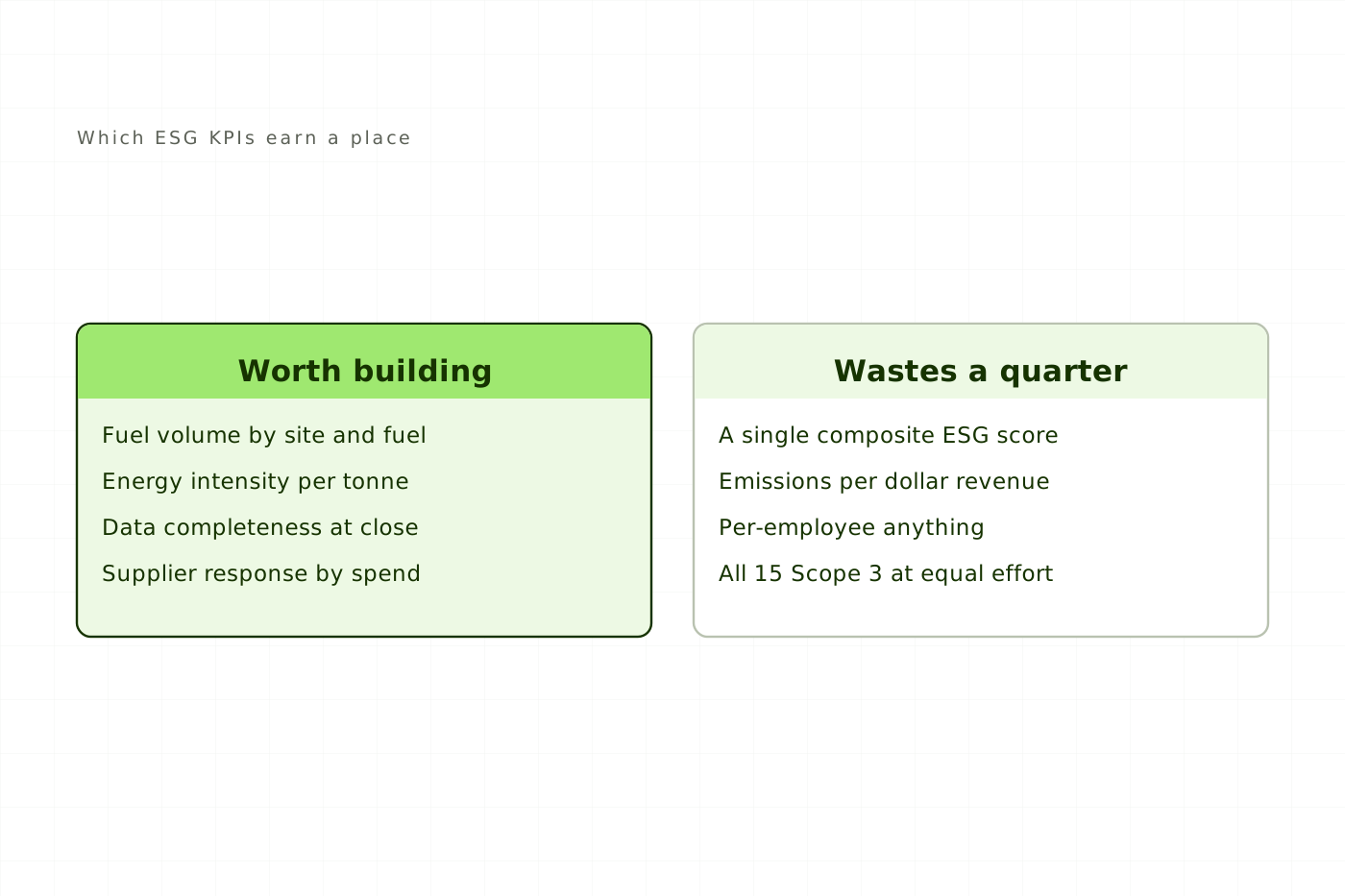
Eleven ESG metrics with a source document behind them, the eight that quietly mislead, and why emissions per dollar of revenue improves when prices rise.

Finance wants emissions in tonnes by entity in six weeks. Here is what each scope asks for, who holds the source data, and what breaks before the arithmetic.
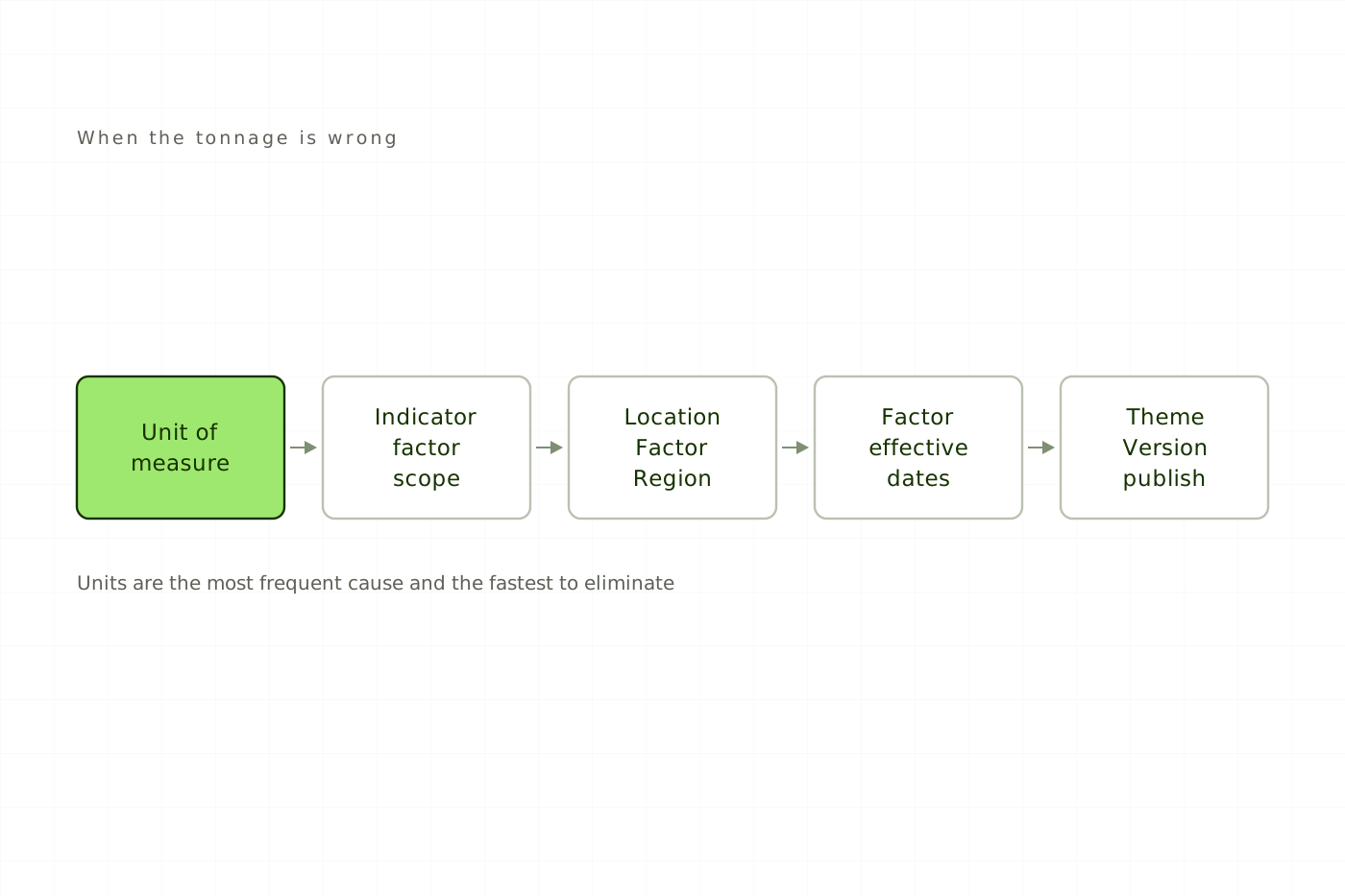
How Intelex resolves local, regional and global emission factors, why a wrong factor returns a plausible tonnage instead of an error, and how to find it.
Location-based and market-based Scope 2 are both required and will not match. Why the gap is correct, and how to configure both without merging them.
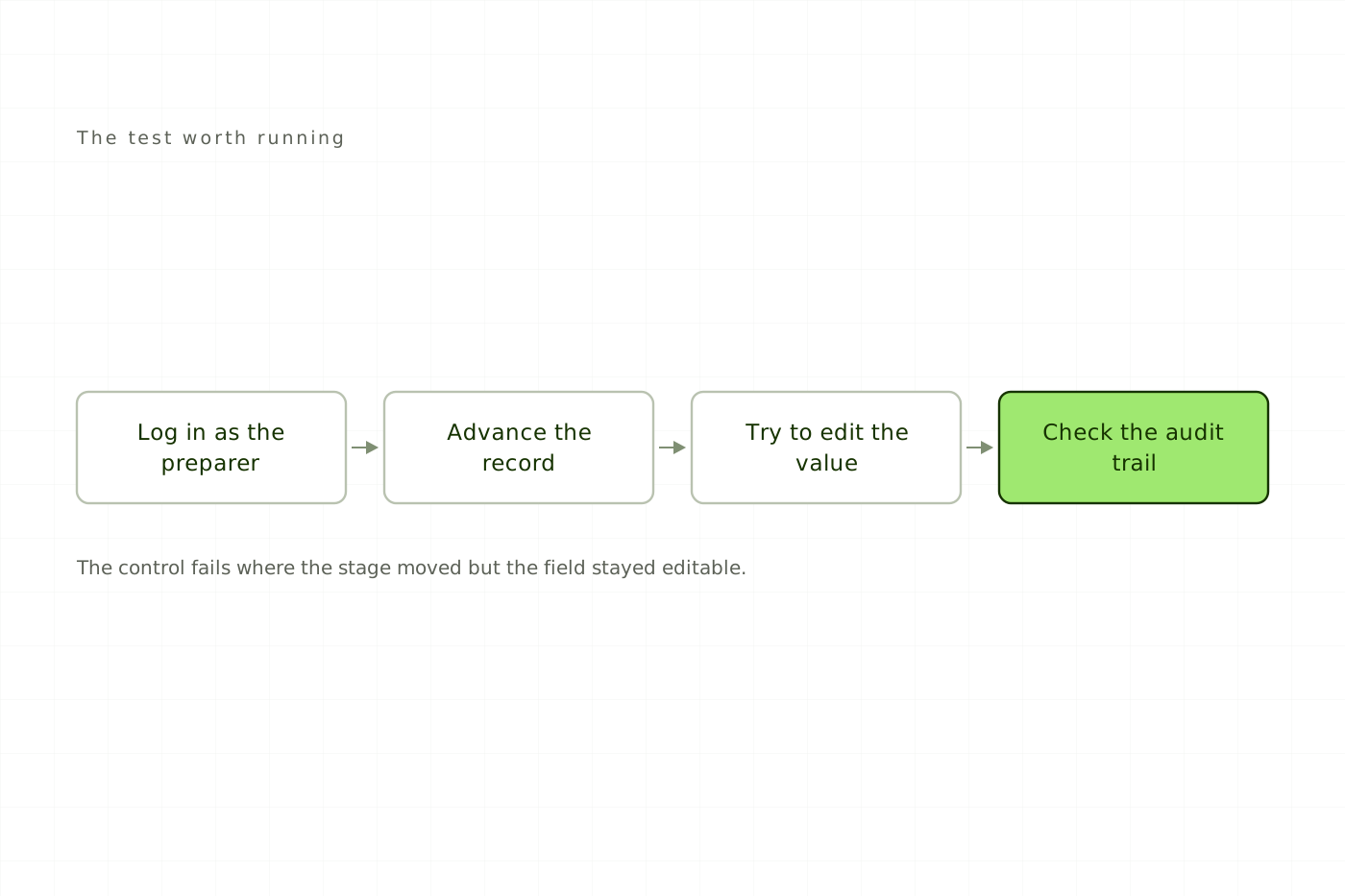
Stage security and field-level permissions each look like segregation of duties. Neither delivers it alone, and the usual test cannot tell the difference.
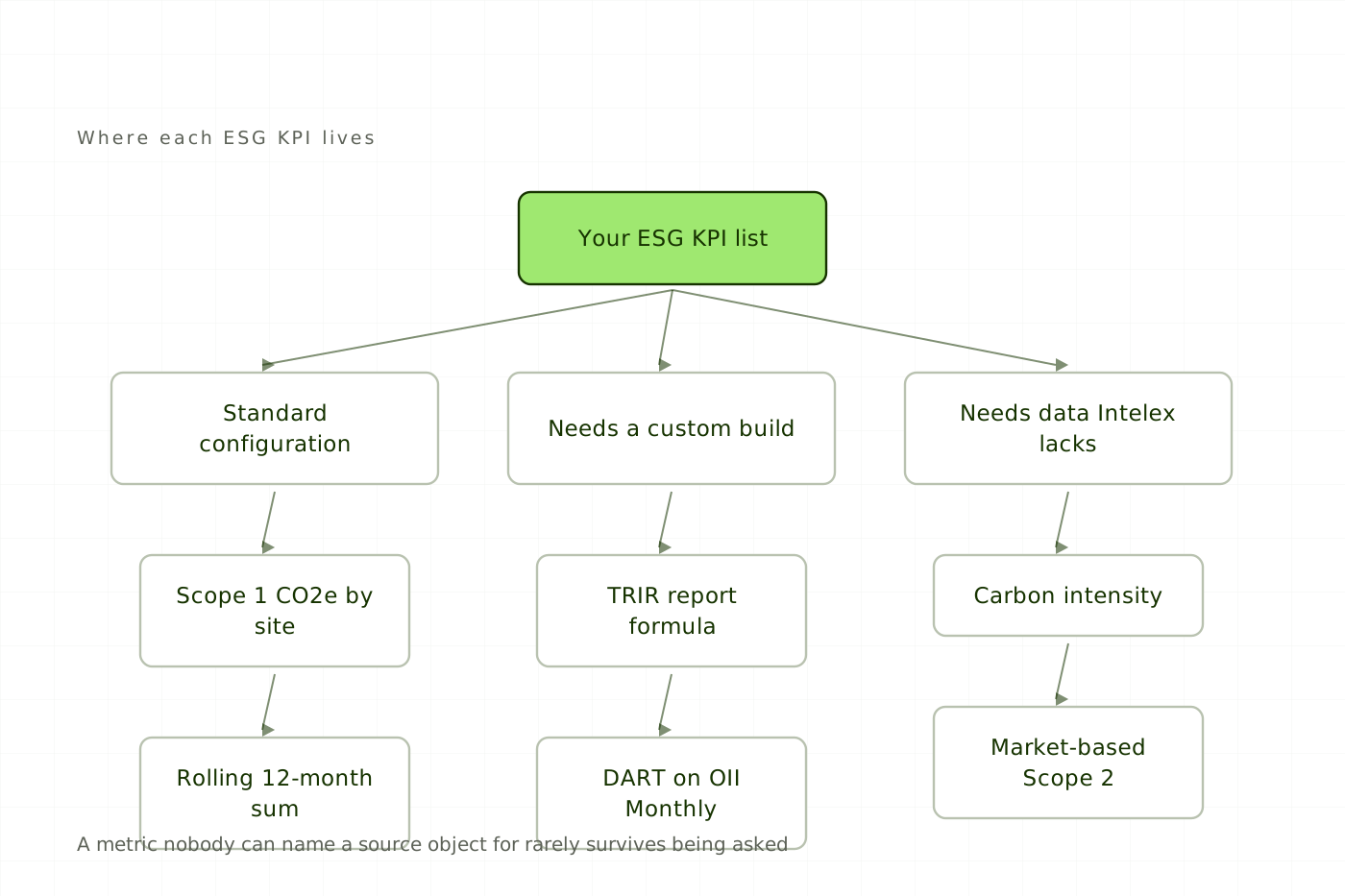
Which ESG KPIs Intelex produces from standard configuration, which need a custom object or formula field, and which need data the platform does not hold.
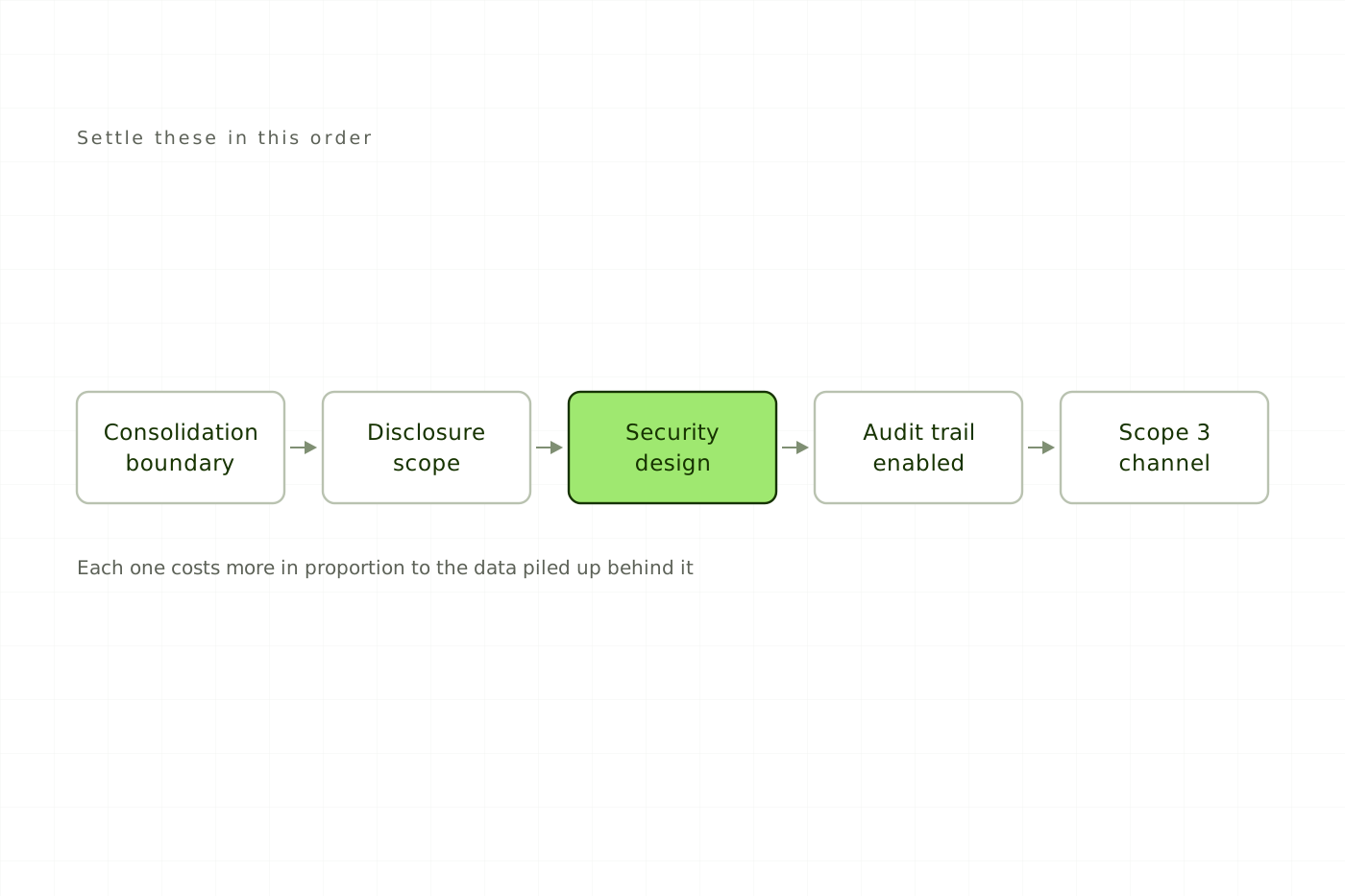
Security set up too late, an audit trail that was never enabled, and three more reasons an Intelex ESG build stops, with the fix for each.
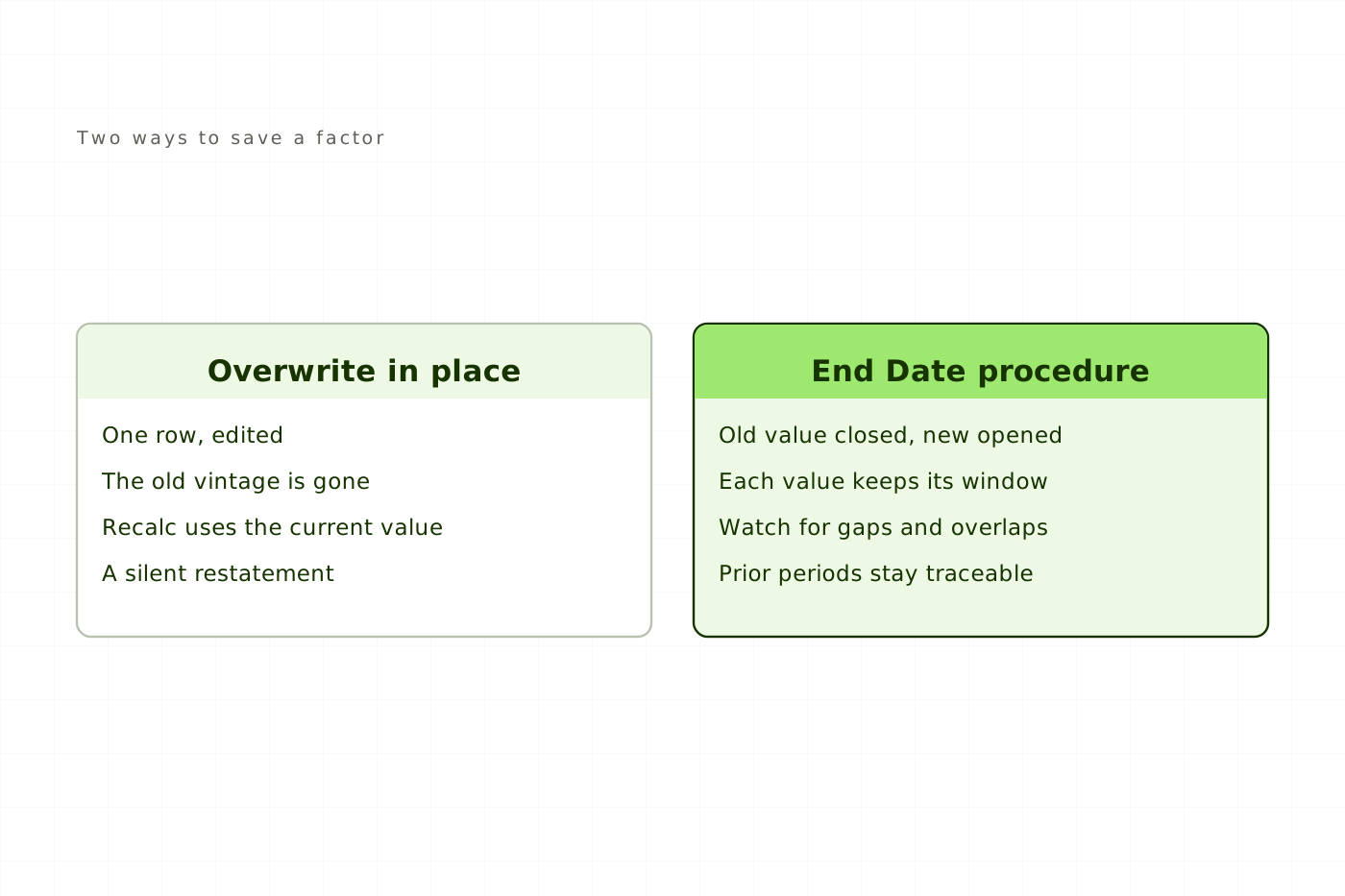
How Intelex factor versions and effective dates behave, what a recalculation does to a closed period, and how to detect a restatement after the fact.
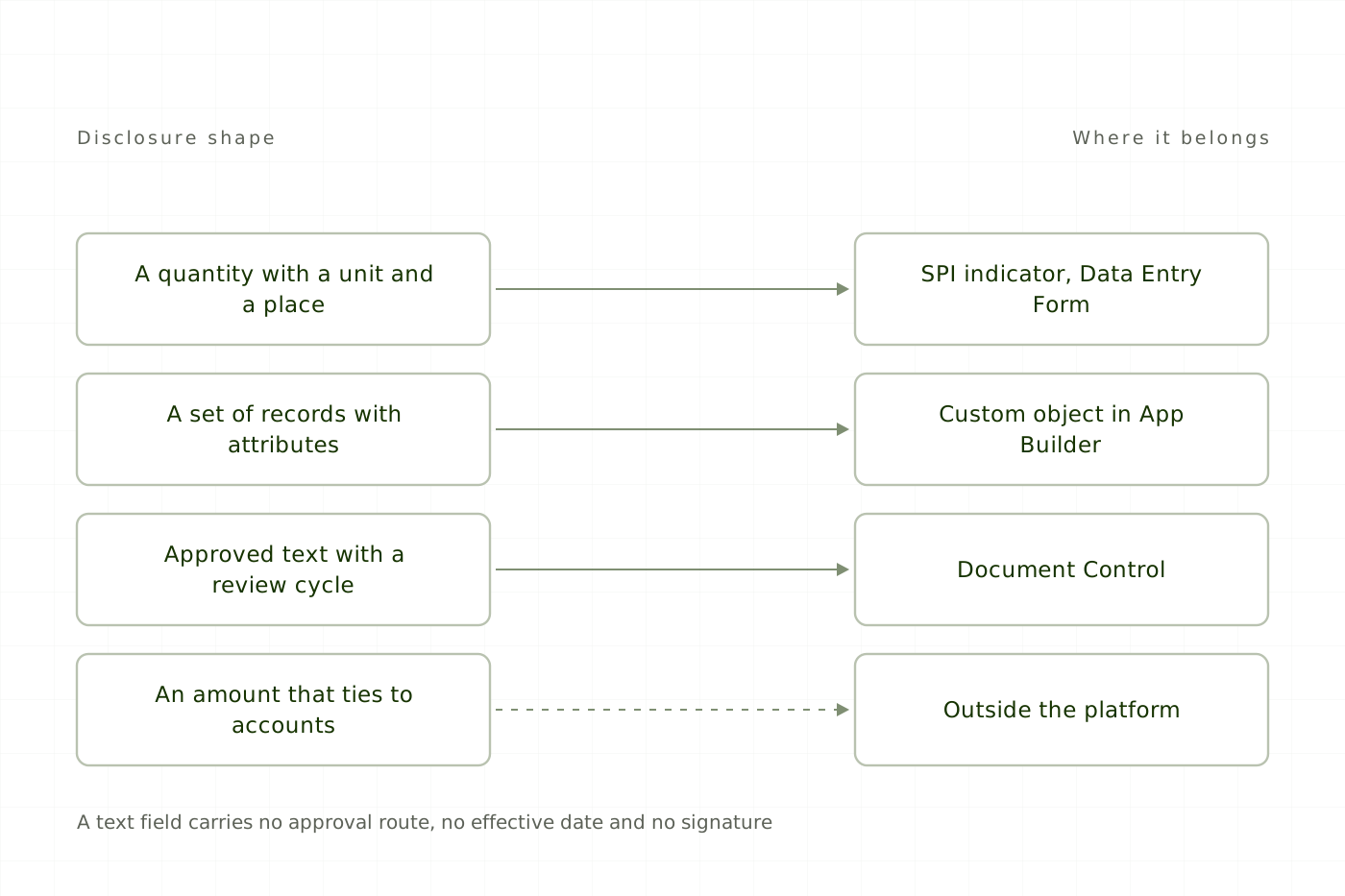
Some ESRS datapoints become Intelex indicators. Others need a custom object, a controlled document, or a home outside the platform entirely.