TRIR, DART and LTIFR: getting the denominators right
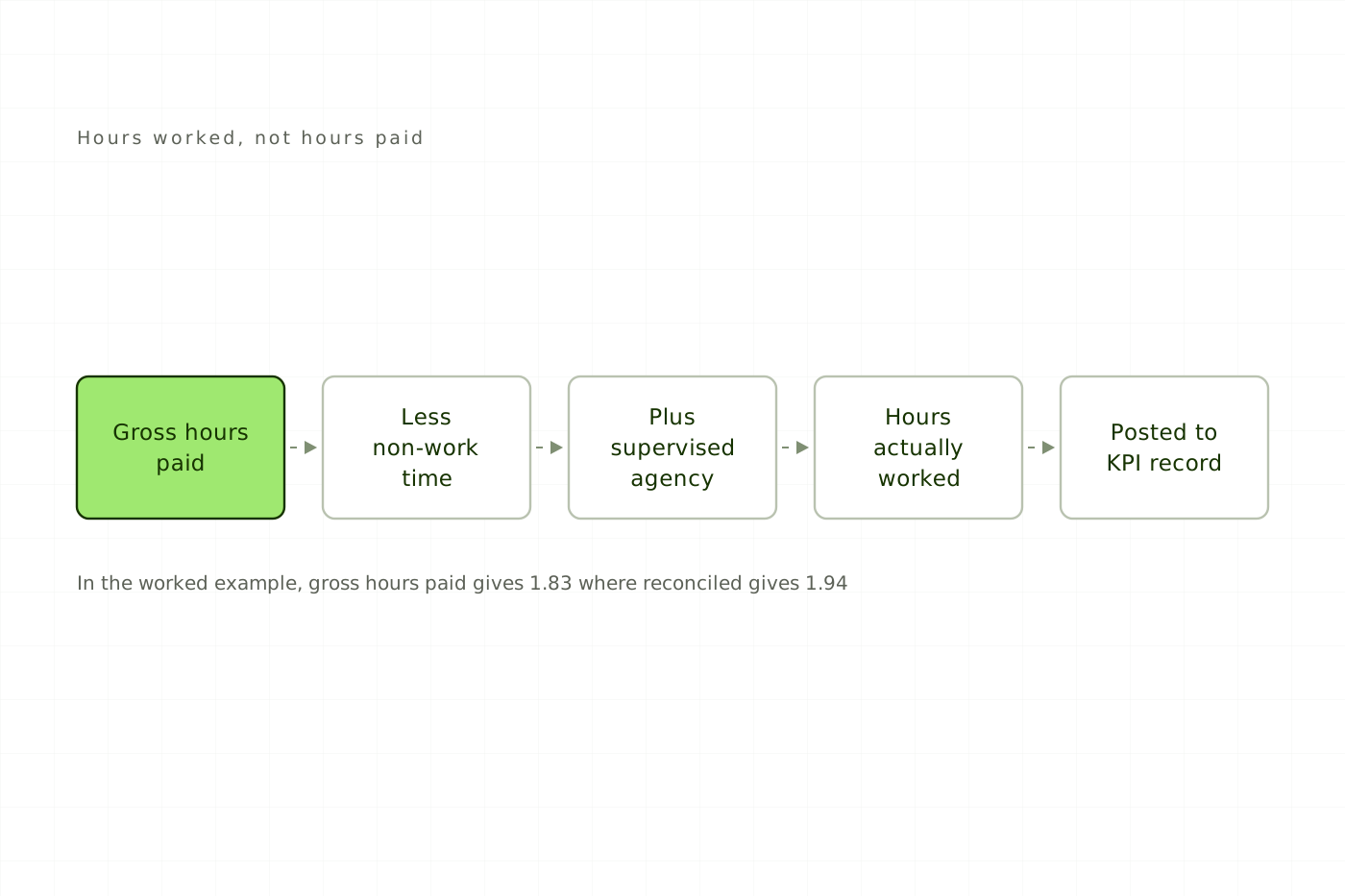
Nobody argues about the numerator. If a case is on the OSHA 300 Log, the classification debate happened months ago. The argument in the boardroom, and the finding in the audit, is almost always about the denominator: which hours you counted, where they came from, and whether anyone can reproduce them.
The TRIR formula takes ten seconds to explain. The hours behind it take a week to reconstruct if nobody built the trail on the way through. One jurisdictional note first: everything cited to 29 CFR Part 1904 below is US federal OSHA. Canadian operations report on a different basis through provincial workers' compensation boards, covered near the end.
What are the TRIR, DART and LTIFR formulas?
OSHA publishes the total recordable case rate and the DART rate in its recordkeeping forms package, on the page titled Optional Calculating Injury and Illness Incidence Rates:
Free
Read every article, in full.
- Every article on the site, start to finish
- Sources cited and linked on all of them
- New pieces on Intelex configuration and EHS practice
Would rather not sign up? Email me and I will send it over.